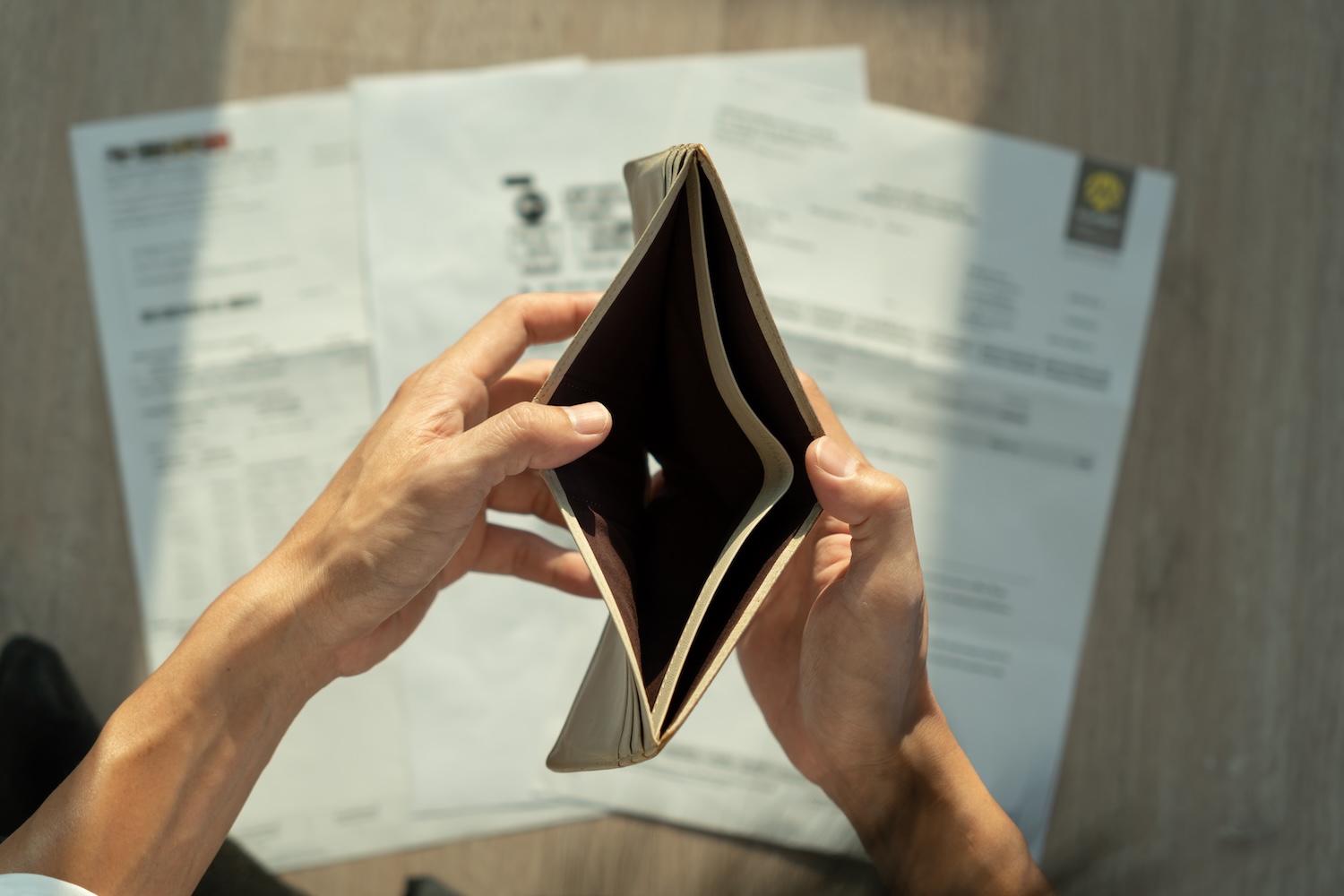
When you’re buried in personal loan debt, bankruptcy starts looking like a way out. Maybe you’ve lost sleep over it. Maybe you’re dodging calls from creditors, and you’re wondering: if I file for bankruptcy, will these loans actually go away?
What Happens to Personal Loans in Bankruptcy?
Personal loans are considered unsecured debt. That means there’s no collateral attached to them like there is with a mortgage or a car loan. The lender can’t repossess anything if you stop paying. This matters because unsecured debts are typically easier to discharge in bankruptcy than secured debts and other types of debt.
When you file for bankruptcy, most personal loans get lumped into the same category as credit card debt and medical bills. The court can eliminate them, which means you’re no longer legally required to pay them back. The lender has to write off what you owe.
What’s typically included in bankruptcy?
- Credit cards and personal loans
- Medical bills
- Utility bills
- Most personal debts without collateral
What usually can’t be discharged?
- Federal student loans
- Recent tax debt
- Child support and alimony
- Court fines and penalties
Understanding chapter 7 and chapter 13 is important because the bankruptcy discharge process works differently for each one.
Chapter 7 Bankruptcy and Personal Loans
Chapter 7 is what most people think of when they hear “bankruptcy.” It’s sometimes called liquidation bankruptcy, and under bankruptcy law, it can wipe out your personal loans entirely in about three to six months.
The bankruptcy process starts when you file your paperwork with the bankruptcy court, listing all your debts and assets. A trustee gets assigned to your case and reviews everything.
If you have valuable assets like property or expensive vehicles, the trustee might sell them to pay back creditors. But most people filing Chapter 7 don’t have much in assets, so they get to keep what they own.
Once the process ends, your personal loans are discharged, and you don’t owe them anymore. Personal loans are generally dischargeable and can be discharged in Chapter 7 and Chapter 13 bankruptcy.
Not everyone qualifies for Chapter 7 though. You need to pass a means test, which looks at your income compared to the median income in your state. If you earn too much, you’ll be pushed toward Chapter 13 instead.
Chapter 13 Bankruptcy and Personal Loans
Chapter 13 of the bankruptcy code works differently. Instead of wiping out your debts immediately, this type of bankruptcy enters you into a repayment plan that lasts three to five years. In chapter 13 cases, you make monthly payments to a bankruptcy trustee, who distributes the money to your creditors based on a court-approved plan throughout the bankruptcy proceedings.
Your personal loans get included in this plan. The amount you end up paying back depends on your income, expenses, and the amount of debt you have. Some people pay back a portion of what they owe. Others pay pennies on the dollar. Whatever’s left at the end of your repayment plan becomes discharged debt.
The positives are that you get to keep your assets. If you own a home or a car that you’d lose in Chapter 7, Chapter 13 lets you hold onto them as long as you keep up with the payment plan.
The cons are that you’re locked into those payments for years. Miss payments, and your case could get dismissed, leaving you right back where you started with all that debt still hanging over your head.
Exceptions: When Personal Loans Won’t Be Discharged
Most personal loans get cleared in bankruptcy, but not all of them.
If you took out a personal loan through fraud, lying on your application about your income or assets, that debt probably won’t be discharged. The lender can challenge it in court, and if they prove you were dishonest, you’re stuck with it.
Recent loans can also be a problem. If you took out a large personal loan right before filing for bankruptcy, especially if you used it for luxury purchases or cash advances, the court might see that as abuse of the system. Those debts could survive the bankruptcy.
Personal loans for certain purposes also don’t go away. If you borrowed money to pay off tax debt or student loans, discharging that personal loan doesn’t discharge the underlying debt. You just shifted it around. The original obligation to repay the loan remains.
And if someone co-signed your personal loan, bankruptcy only protects you. Your co-signer is still fully responsible for the debt unless they file for bankruptcy too.
The Real Cost of Bankruptcy
Getting rid of your personal loans through bankruptcy sounds great until you look at what it actually costs you.
Your credit score takes a massive hit. A bankruptcy filing stays on your credit report for ten years with Chapter 7 or seven years with Chapter 13. During that time, getting approved for new credit is tough. When you do get approved, you’ll likely pay higher interest rates because lenders view you as a higher risk.
Want to rent an apartment? Many landlords run credit checks and won’t rent to someone with a bankruptcy on their record. The same goes for some employers who check credit as part of their hiring process. In some cases, you may also lose personal property if it exceeds exemption limits.
Bankruptcy isn’t free. You’ll pay court fees, attorney fees, and mandatory credit counseling costs. Chapter 7 typically runs between $1,500 and $3,000 total, and Chapter 13 can cost $3,000 to $4,000 or more due to the longer process.
And here’s something people often overlook: the emotional toll. Filing for bankruptcy can feel like failure, even though it’s a legal right designed to give people a fresh start. That weight is real.
Alternatives to Bankruptcy for Personal Loan Debt
Before you file for bankruptcy, it’s worth looking at other ways to deal with your personal loan debt. These debt relief options won’t trash your credit the way bankruptcy does, and they might get you out of debt without the long-term consequences.
Debt Consolidation
This is where you get a personal loan to pay off all your existing debts. You end up with a single monthly payment, often at a lower interest rate than what you’re currently paying, making it easier to repay the debt.
The benefits:
- One payment instead of juggling multiple loans
- Potentially lower interest rate
- Fixed repayment timeline
- No hit to your credit like bankruptcy
The catch is that you need decent credit to qualify for a good consolidation loan. If your credit is already damaged, you might not get approved, or you’ll end up with rates that don’t actually save you money.
Debt Management Plan
You can get credit counseling from an approved agency that can set up a debt repayment plan for you. They negotiate with your lenders to lower interest rates and set up a payment plan you can actually afford. You make one monthly payment to the agency, and they distribute it to your creditors.
The benefits:
- Doesn’t require good credit to start
- Can lower your interest rates significantly
- Gives you a clear path out of debt in three to five years
- Costs less than bankruptcy
The downside is you’ll need to close your credit accounts and stop using credit cards while you’re on the plan, and it requires discipline to stick with the payments.
Negotiate Directly with Lenders
Sometimes lenders would rather work with you than get nothing at all. You can contact them directly for debt settlement and ask for:
- A lower interest rate
- A temporary payment reduction
- A settlement for less than you owe
This works best if you’re behind on payments but not yet in collections. Lenders are often willing to negotiate if it means they’ll actually get paid.
Balance Transfer Credit Card
If you have good credit, you might qualify for a balance transfer card with a 0% introductory APR period. You transfer your personal loan balance to the card and pay it off during the interest-free period.
The benefits:
- Can pay off the balance before the intro period ends
- The transfer fees don’t eat up your savings
- You have the discipline not to rack up more debt
Should You File Bankruptcy to Clear Personal Loans?
Determining whether you need to file for bankruptcy depends on your specific financial situation. Bankruptcy might be the right choice if:
- You’re dealing with overwhelming debt that you genuinely can’t pay back, even with a payment plan
- If your personal loans are so large that you’d be paying them off for decades
- If creditors are garnishing your wages and you can’t keep up with basic living expenses
- If you’ve already tried other options and they didn’t work.
- If you’ve attempted debt consolidation, worked with credit counselors, and negotiated with lenders, but you’re still drowning
But if your debt is manageable with some lifestyle changes or if you could pay it off within a few years through consolidation or a debt management plan, bankruptcy is probably overkill. The damage to your credit and the years of consequences aren’t worth it if you have other viable options.
Think about your specific situation and answer the following question:
- How much debt do you actually have?
- What’s your income?
- Are there assets you’d lose in Chapter 7 that you can’t afford to lose?
- Would Chapter 13’s repayment plan actually be better than what you could negotiate on your own?
Talk to a bankruptcy attorney before you decide. Most offer free consultations, and they can tell you whether bankruptcy makes sense for your situation. They’ll also explain which chapter you’d qualify for and what you can expect.
Bankruptcy isn’t shameful, and it’s not the end of the world. It’s a legal tool that exists for a reason. But it’s also not something to rush into without understanding the full picture. Your personal loans might get cleared, but you need to be sure the trade-off is worth it.