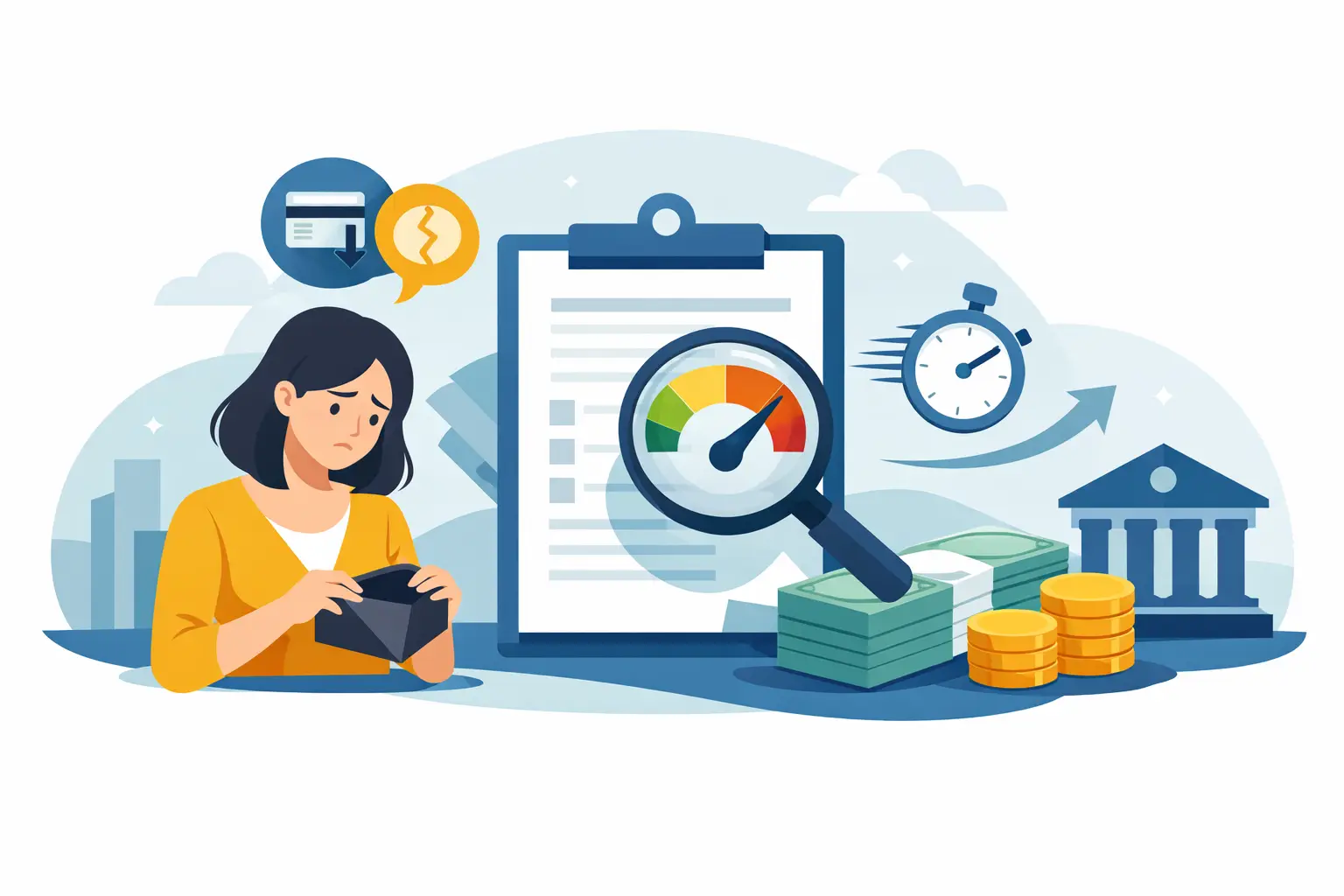
A declined application can feel like the door just slammed shut – right when rent is due, the car needs work, or a medical bill lands at the worst possible time. That is exactly why bad credit loans get so much attention. For many borrowers, they are not about financing something extra. They are about handling a problem now, with as little delay as possible.
The good news is that bad credit does not automatically put you out of the running. Many lenders look beyond a single credit score, especially for smaller personal loans. They may consider your income, recent banking activity, employment, debt load, and whether you can realistically handle the payment. That does not mean every application gets approved, and it does not mean every offer is a good one. It means you still have options, and speed matters when you need cash fast.
How bad credit loans work
Bad credit loans are personal loans designed for borrowers who may not qualify with traditional banks or prime lenders. In most cases, these are unsecured loans, which means you do not need to put up a car title or other collateral. Loan amounts are often smaller, and repayment terms can be shorter, because lenders are managing higher risk.
The process is usually straightforward. You fill out an online request, provide basic personal and financial details, and get a lending decision or loan offer if you match with a provider. If approved, you review the terms, accept the offer, and the funds may arrive as soon as the same day or the next business day, depending on the lender, your bank, and what time the application is completed.
That speed is the main draw. If your need is urgent, a long underwriting process is not much help. Online lending marketplaces and lender networks appeal to borrowers because they reduce friction. Instead of spending hours applying one lender at a time, you may be able to submit one request and review available options more quickly.
What lenders usually look at besides your credit score
A low score matters, but it is rarely the only thing under review. Lenders want to know whether you can repay the loan. If your credit history shows missed payments, collections, or high balances, they may offset that risk by looking at current income stability and account activity.
Steady paychecks can help. So can a checking account in good standing, a manageable debt-to-income ratio, and a recent history that looks better than your older credit file. Some lenders are more flexible with past credit issues if your current financial picture looks stronger. Others focus heavily on your ability to make the next few monthly payments rather than your full borrowing history.
This is why two lenders can look at the same applicant and reach different decisions. One might decline. Another might approve but offer a lower amount or shorter term. That is normal in this market.
When bad credit loans make sense
These loans are usually best for short-term financial gaps or necessary expenses that cannot wait. Think emergency car repairs, overdue utility bills, medical costs, travel for a family issue, or catching up before a late fee problem gets bigger.
They make less sense for nonessential spending or for solving a long-running budget shortfall with another monthly payment. If the loan only delays a larger problem, it can leave you in a tighter spot a few weeks from now. Fast money helps most when it addresses a specific need and you already have a clear plan to repay it.
That trade-off matters. Speed is valuable, but repayment still has to fit your budget. A loan that arrives quickly can still be a bad move if the payment forces you to miss something else next month.
What to watch before you accept an offer
The fastest offer is not always the right one. Before you sign, slow down long enough to review the loan amount, repayment schedule, fees, and total cost.
APR is one of the clearest ways to compare offers because it reflects the yearly cost of borrowing, including certain fees. With bad credit loans, APRs are often higher than borrowers with strong credit would see. That is the reality of risk-based lending. The key question is whether the payment is affordable and whether the loan solves the problem without creating a worse one.
Also check the term length. A longer term may lower the monthly payment, but it can increase the total amount repaid. A shorter term may save money overall, but only if the payment still fits comfortably. There is no one-size-fits-all answer here. If your budget is tight, the cheapest loan on paper may still be the wrong loan if the due date strain is too aggressive.
Read for late fees, insufficient funds fees, and any prepayment rules. Some borrowers focus only on approval and deposit timing, then get surprised later by the cost of missing a payment. That is where loan stress starts.
How to improve your odds without wasting time
If you need funds quickly, the goal is not to build perfect credit overnight. It is to put forward the strongest application you can right now.
Start with accurate information. Income, address history, contact details, and banking information should match your records. Simple errors can trigger delays or outright denial. If you are employed, be ready to provide proof of income. If you receive benefits or other regular deposits, those details may also matter depending on the lender.
Next, request only what you actually need. Asking for a lower amount can improve affordability and may raise your chance of approval. Lenders are often more comfortable with smaller, manageable loans than higher-risk amounts that stretch your budget.
It also helps to apply when your finances look cleanest. If possible, avoid applying right after a missed payment, an overdraft, or a sudden drop in account balance. Timing does not fix bad credit, but it can affect how stable your profile looks during review.
Using a platform like Yup Loans can also save time because it gives borrowers a quick way to request a loan online and see whether they match with participating lenders without chasing options one by one.
Common mistakes borrowers make with bad credit loans
One mistake is applying in panic and accepting the first offer without reading the details. Urgency is real, but rushed decisions can get expensive fast.
Another is borrowing to cover regular monthly expenses with no plan to change the underlying cash flow problem. If every month already comes up short, a new payment can deepen the pressure. In that case, a loan may buy time, but it may not solve much.
Some borrowers also ignore the repayment date. That sounds obvious, but it is one of the biggest issues with short-term borrowing. If your due date hits before your next reliable income deposit, the loan becomes harder to manage than it looked on approval day.
And finally, many people assume bad credit means they should be grateful for any offer at all. That mindset can lead to poor choices. Approval matters, but fit matters too.
Are online bad credit loans safe?
They can be, but caution is part of the process. A legitimate lender or lending marketplace should clearly explain terms, disclose costs, and avoid vague promises that sound too good to be real. Guaranteed approval language, pressure to send money upfront, or unclear repayment terms are all reasons to step back.
A fast application is normal. Confusing disclosures are not. You should know the payment amount, payment dates, fees, and total cost before agreeing.
It also helps to remember that marketplaces are not always the actual lender. In many cases, they connect your request with lenders or financial partners. That can be useful because it broadens your options, but it also means the final loan terms come from the lender that approves you, not from the platform itself.
A realistic way to think about fast funding
Fast funding can be a real advantage when timing matters. If your car gets you to work or a past-due bill threatens a shutoff, waiting around for a traditional process is not practical. That is where online personal loans for bad-credit borrowers can fill a real need.
Still, fast should mean fast and clear – not fast and confusing. The best loan is the one that gets you through the emergency, gives you terms you understand, and leaves your next month manageable. If you keep that standard in mind, you are much more likely to make a move that helps instead of one that follows you long after the immediate problem is gone.
If you need money quickly, focus on a simple goal: find a loan you can repay without turning one urgent expense into a longer financial mess.