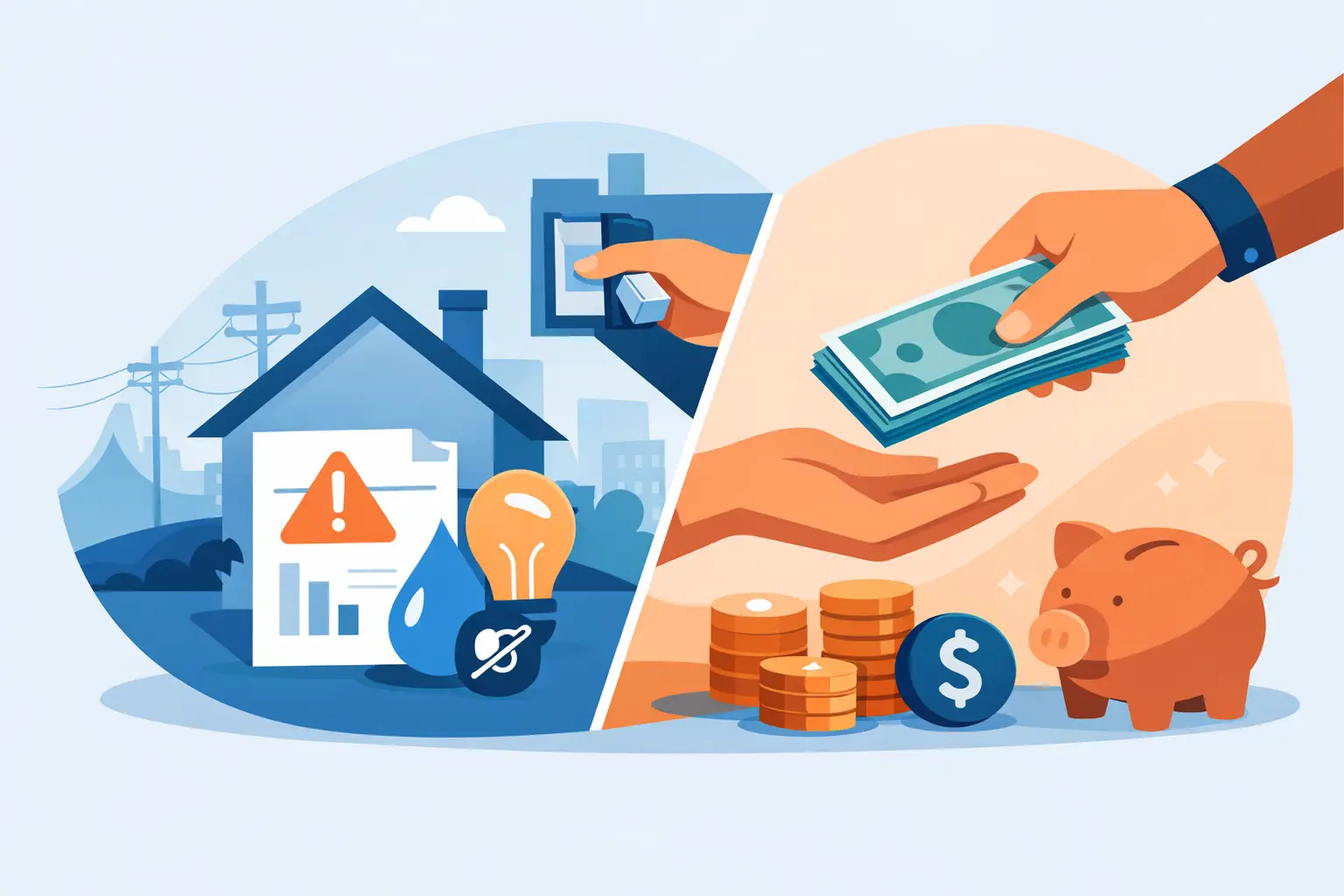
A shutoff notice has a deadline, an amount due, and very little room for delay. If you need to borrow money for utility bill shutoff, act on two tracks right away: call the utility provider to stop or delay disconnection, then look at funding options you can realistically repay. A small loan may cover the gap, but it works best when you know the full amount needed and the repayment date before you accept an offer.
Start With the Utility Company, Not Just the Bill
Calling your utility company may feel pointless when you do not have the money, but it can buy time or reduce the amount you must pay immediately. Ask whether a payment arrangement, extension, hardship program, or partial-payment hold is available. Some providers will postpone shutoff if you make a specific payment by a set date.
Be direct. Tell the representative you received a shutoff notice, the date service is scheduled to end, and what you can pay today. Ask for confirmation of any agreement, including the exact payment amount and due date. If your service has already been shut off, ask about the full reconnection cost. You may need to cover the past-due balance, a reconnect fee, and sometimes a deposit.
This one call can change how much you need to borrow. Borrowing $300 to meet a payment arrangement is very different from borrowing $1,000 to pay the entire balance and restore service.
When It Makes Sense to Borrow Money for Utility Bill Shutoff
A personal loan can be a practical short-term option when the shutoff is imminent, you have no other available funds, and you have a clear plan to make the loan payments. Unsecured personal loans do not require you to put up a car, home, or other property as collateral. Loan amounts and terms vary by lender, as do approval requirements, fees, and funding timelines.
It may make sense to request a loan when losing electricity, water, gas, or heat would create an immediate problem for your household. This can be especially urgent if you have young children, an older adult at home, medical equipment that needs power, or extreme hot or cold weather in your area.
Still, fast money is not free money. A loan adds a monthly payment to your budget. Before accepting, make sure the payment fits after rent, food, transportation, insurance, and your next utility bill. If a new loan payment will make next month’s bill impossible to pay, ask the provider about assistance and payment plans first.
Fast Options to Consider Before Service Is Disconnected
The best option depends on your deadline, credit profile, income, and available support. Start with the choices that reduce your cost before taking on a new debt.
A payment arrangement with the utility provider may be the fastest solution if you can pay part of the bill now. Local energy assistance programs, community action agencies, charities, and faith-based organizations may also help eligible households with electricity, heating, water, or gas bills. Availability can be limited, so call early and ask what documents are required.
If you have a trusted friend or family member who can help, a short written agreement can prevent misunderstandings. State how much is being borrowed, when it will be repaid, and whether there is any interest. This can be less expensive than a loan, but only borrow an amount you can repay without damaging the relationship.
A personal loan may be worth considering when assistance is not available in time. Online loan marketplaces can allow you to submit one request and review offers from participating lenders. Yup Loans helps connect consumers with potential loan options, including borrowers with less-than-perfect credit. Approval is never guaranteed, and loan terms depend on the lender and your application.
Credit cards can provide immediate payment ability if your utility company accepts them, but a cash advance may come with a higher rate and fees. Avoid assuming every fast option is equal. Compare the total cost, not just the speed of approval.
How Much Should You Request?
Request enough to prevent shutoff and cover unavoidable reconnect costs, but do not automatically borrow the largest amount offered. More borrowed money usually means a larger total repayment amount.
Before applying, write down the current past-due balance, the provider’s minimum payment to stop shutoff, any late fees, and any reconnection charge. Then subtract cash you can safely use without missing essential expenses. The result is a more realistic loan amount.
For example, if the utility company will stop a shutoff with $240 today and you have $90 available, you may need about $150, not the entire $600 account balance. Confirm that partial payment arrangement before relying on it.
What to Check Before Accepting a Loan Offer
An instant decision can be helpful when time is short, but take a few minutes to read the terms. The right offer is not always the one with the highest amount or quickest funding estimate.
Look closely at the annual percentage rate, or APR. APR helps show the yearly cost of borrowing and can include interest and certain fees. Also check the payment amount, payment schedule, total amount you will repay, and whether an origination fee is deducted from the loan proceeds. If a lender approves $500 but deducts a fee before funding, you may receive less than $500 in your bank account.
Ask yourself one straightforward question: Can I make every scheduled payment from my income without borrowing again? If the answer is no, a smaller amount, a provider payment arrangement, or local bill assistance may be safer.
Be cautious with any lender or service that demands payment before providing a loan, guarantees approval, or pressures you to act without showing the loan agreement. Legitimate offers should clearly state the cost and repayment terms before you agree.
Apply Quickly, but Use Accurate Information
When your shutoff date is close, incomplete or incorrect information can slow down the process. Have your government-issued ID, contact information, income details, employment information, and active checking account information ready if requested. Lenders may also verify identity and income.
Submit only information that is accurate. Stating more income than you earn or leaving out existing obligations can create problems during verification and can lead to a payment you cannot afford. A fast online application should make the process easier, not encourage rushed decisions.
Funding timing also varies. Some lenders may be able to deposit funds as soon as the same or next business day after approval and acceptance, while others take longer. Weekends, bank processing times, verification requirements, and the time you accept an offer can affect when funds arrive. Do not assume money will arrive before a shutoff deadline until you understand the lender’s estimated funding timeline.
Protect Your Service After You Catch Up
Paying the overdue bill solves the immediate crisis, but the next bill is already on its way. Once the account is current, ask your utility provider about budget billing, level-pay plans, due-date changes, and usage alerts. These programs may not lower the amount you use, but they can make monthly costs more predictable.
If your income or household situation has changed, review your monthly expenses honestly. Cutting one bill may not be enough, but identifying recurring charges, high energy use, or an unrealistic payment date can prevent another emergency. Set aside even a small amount from each paycheck for utilities when possible.
A utility shutoff notice is stressful, but it is also a deadline you can respond to. Make the provider call, verify the minimum amount needed, compare funding costs carefully, and borrow only what you can repay. Fast action now can keep essential service on while giving you a clearer path to the next bill.