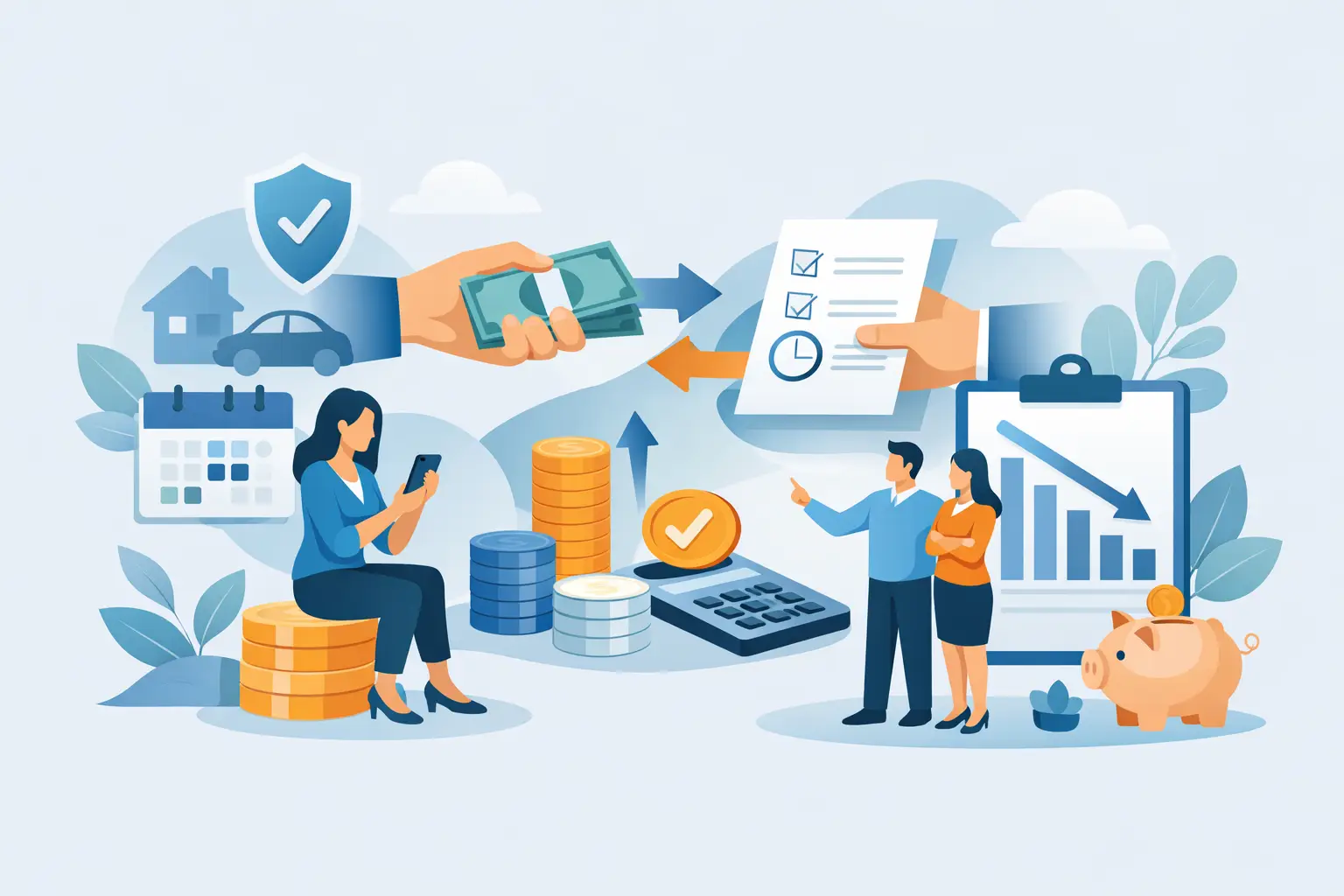
A car repair estimate, a medical copay, or a utility bill can put real pressure on a tight budget. Knowing how to use installment loans responsibly can help you address an urgent expense without creating a bigger financial problem next month. The goal is not to borrow whenever money is short. It is to use credit for a specific need, understand the full cost, and choose a payment you can realistically make.
An installment loan can provide a set amount of money that you repay through scheduled payments over a defined term. That structure can make budgeting easier than borrowing with an open-ended balance, but only when the payment fits your income and other obligations.
Start With the Need, Not the Loan Amount
Before requesting funds, name the expense and write down its actual cost. If your car needs a $650 repair to get you to work, borrowing close to that amount may make sense. Requesting $1,500 because it is available can leave you with a larger balance, more interest, and a payment that is harder to manage.
Small-dollar loans are generally best for necessary, time-sensitive costs: an emergency repair, a medical expense, overdue essential bills, or travel tied to a family emergency. They are usually a poor fit for routine shopping, entertainment, or expenses that will repeat every month. If the issue is an ongoing income gap, a loan may provide short-term relief without solving the underlying problem.
Ask yourself one direct question: will this expense be more costly or more disruptive if I do not handle it now? If the answer is yes, borrowing may be worth considering. If the answer is no, waiting, saving, or reducing the purchase may be the stronger move.
Understand What You Will Pay Back
The amount deposited into your bank account is not the only number that matters. Review the total repayment amount, the annual percentage rate (APR), fees, payment amount, payment frequency, and final due date before accepting any offer.
APR is especially useful because it reflects the cost of borrowing on an annual basis and may include certain fees. A lower payment can look appealing, but a longer repayment term can mean paying more interest overall. A shorter term may reduce total interest, yet the required payment may be too high for your current budget. The right option depends on both numbers.
For example, a $1,000 loan with payments spread over more months may feel easier week to week than a shorter loan. However, if it costs substantially more by the end of the term, that convenience has a price. Compare the full repayment amount, not just the payment displayed first.
Lenders can have different rates, terms, eligibility rules, and fees. A loan connection service such as Yup Loans can help consumers request offers online, but an offer is not automatically the right choice. Read the lender’s agreement carefully and decline an offer if the terms do not work for your budget.
How to Use Installment Loans Responsibly: Build the Payment Into Your Budget
The most responsible loan is one you can repay without missing rent, food, transportation, insurance, or utility payments. Do not estimate based on what you hope to have left over. Use your normal monthly income and your normal monthly bills.
Start by subtracting essentials and existing debt payments from your take-home pay. Then leave room for groceries, gas, medications, and unexpected costs. What remains is your true borrowing capacity. If a proposed payment would consume nearly all of that remaining amount, the loan may be too expensive or the term may not fit.
It also helps to plan for your least favorable normal month. Maybe your hours sometimes drop, child care costs change, or an insurance payment is due every six months. A payment that works only in a perfect month is not a stable payment plan.
Before you accept, make sure you can answer these questions clearly:
- What date is each payment due, and how often will I pay?
- Which paycheck or income source will cover the payment?
- What will I do if the due date falls before I get paid?
- Can I still cover my essential bills after making this payment?
Set a calendar reminder several days before each due date. If your lender offers automatic payments and you maintain enough funds in the account, autopay can reduce the chance of an accidental late payment. Still, check your balance ahead of time. An unsuccessful automatic withdrawal can lead to bank fees or lender fees, depending on the agreement.
Borrow Only Once for the Same Problem
One warning sign is using a new loan to pay off a previous loan, then taking another loan when the next bill arrives. This can turn a short-term solution into a costly cycle. Refinancing or consolidating may make sense in certain circumstances, but it should improve the overall situation through a lower cost, more manageable schedule, or a clear payoff plan. It should not simply delay the same problem.
If you are considering another loan because your current payment is already difficult, pause before applying. Contact the current lender as early as possible to ask about available options. You may also need to reduce a nonessential expense, adjust a due date with a biller, or seek local assistance for essential needs. Acting before a payment is late usually gives you more choices than waiting until an account is past due.
Compare Offers Without Letting Urgency Decide for You
Fast funding can be valuable when an emergency cannot wait. But urgency does not remove the need to compare. Even a few minutes spent reviewing offers can help you avoid accepting terms you do not understand.
Look at each offer side by side. Compare the amount you will receive, payment size, number of payments, APR, total repayment, and any disclosed origination, late, or nonsufficient-funds fees. Also check whether there is a prepayment penalty. If there is no prepayment penalty, paying early when you have extra money may reduce the interest you pay, depending on the loan terms.
Be cautious with any lender or service that pressures you to act before you can review the agreement, asks for payment before providing a loan, or makes guarantees that sound too good to be true. Legitimate borrowing involves disclosures and a contract you should have time to read.
Protect Your Credit and Your Cash Flow
Making payments on time can help you avoid late fees and potential negative credit reporting. Missing payments can increase what you owe and may affect your credit, depending on how the lender reports account activity. This is another reason to choose a payment you can manage comfortably rather than the largest amount you might qualify for.
Keep the loan agreement, payment confirmation numbers, and lender contact information in one place. Review your bank statements after the first payment to confirm the amount and date are correct. If something does not look right, contact the lender promptly and document the conversation.
It is also smart to use the repayment period to build a small emergency cushion, even if it starts with a few dollars from each paycheck. The next unexpected expense may not require borrowing if you have some cash set aside. That is progress, not perfection.
Know When an Installment Loan Is Not the Best Answer
An installment loan may not be the best option if you do not have a dependable way to make the payments, the expense is optional, or you are already behind on multiple debts. In those situations, adding another scheduled bill can make the pressure worse.
Consider whether you can negotiate a payment plan directly with a medical provider, utility company, mechanic, landlord, or service provider. Some creditors may offer hardship arrangements or extended due dates. If you have savings that can cover the need without leaving you unable to pay essentials, using part of that savings may cost less than borrowing. Each option has trade-offs, but comparing them gives you more control.
A responsible installment loan is not about having perfect credit or a perfect budget. It is about borrowing with a clear purpose, reading every term, and protecting the money you need for daily life. If the payment works on paper and in your real monthly routine, you can move forward with more confidence. If it does not, walking away from the offer can be the smartest financial decision you make today.