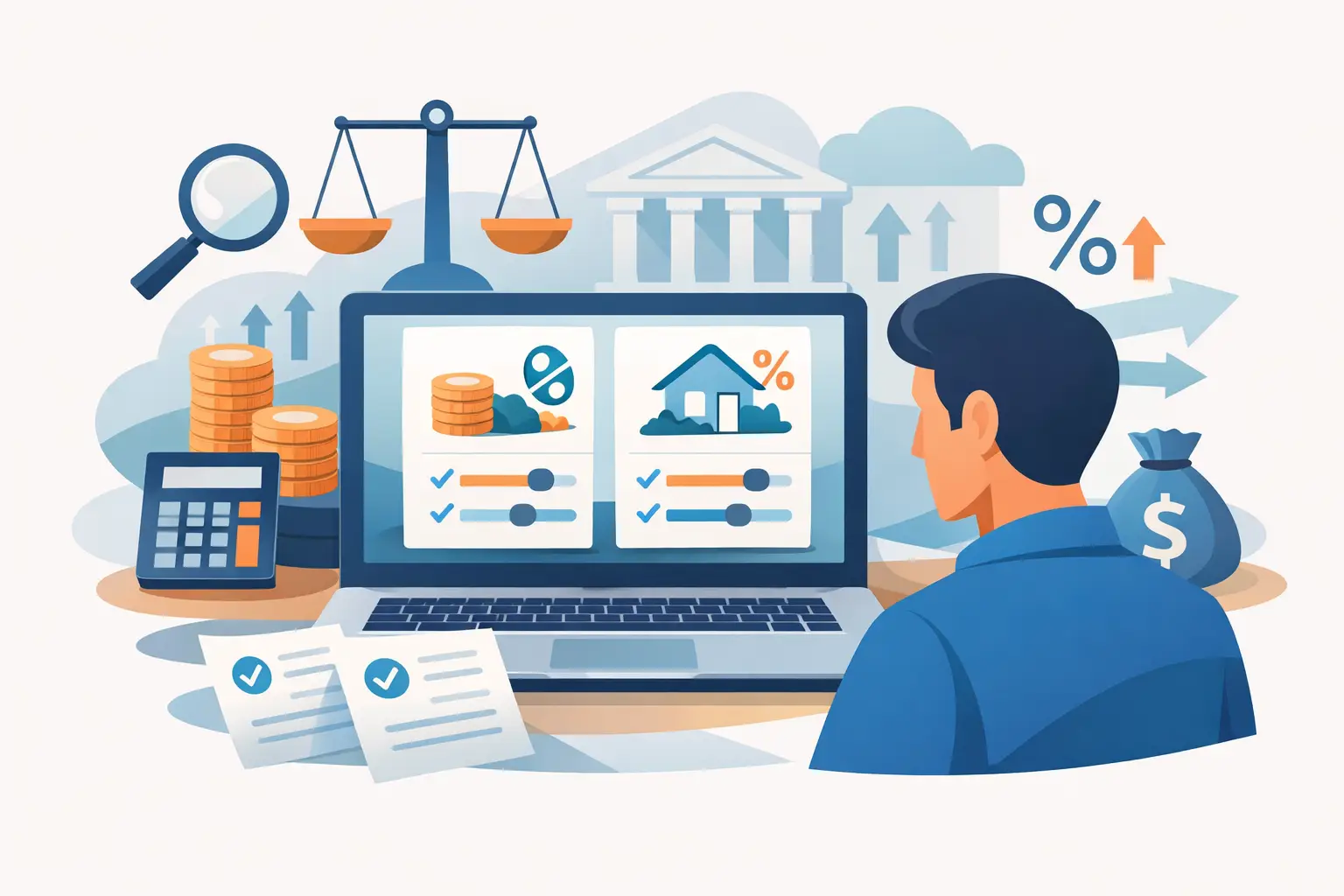
An urgent repair bill or overdue expense can make the first loan offer on your screen look like the right answer. But knowing how to compare online loan offers can help you choose funding that solves today’s problem without creating a tougher payment problem next month.
A loan offer is more than the amount you can receive. The interest rate, fees, repayment schedule, lender rules, and funding timeline all affect what the loan will actually cost. A fast decision matters when money is tight, but taking a few extra minutes to compare the details can make a real difference.
Compare Offers for the Same Loan Amount and Term
Start by making the offers equal. If one lender offers $1,000 over 12 months and another offers $1,500 over 24 months, the monthly payments may look very different because you are not comparing the same product.
Decide how much you truly need first. Borrowing more may give you extra room now, but it can raise your payment and total repayment amount. Then look at offers for that same amount and, when possible, a similar repayment term.
A shorter term usually means a higher monthly payment but less interest paid overall. A longer term can lower the monthly payment, which may be more manageable for your budget, but you could pay more in interest over time. Neither option is automatically better. The right choice depends on what you can reliably afford every month.
Look Beyond the Interest Rate
The annual percentage rate, or APR, is one of the quickest ways to compare loan costs. APR generally reflects the interest rate plus certain finance charges, giving you a broader picture than the interest rate alone.
A lower APR can mean a less expensive loan, but only when the loan amount and term are similar. For example, a loan with a lower APR over a much longer term could still cost more in total than a higher-APR loan you repay sooner.
Do not stop at the APR. Check the total of payments shown in the offer or loan agreement. This tells you the total amount you would repay if you make every scheduled payment on time. When funds are needed quickly, this number can be easier to understand than focusing only on a percentage.
Check the Monthly Payment Against Your Real Budget
The payment amount is not just a number on a screen. It is a bill that will be due every month, often by automatic bank withdrawal. Before accepting, think about your next paydays, rent or mortgage, utilities, groceries, transportation, and any other debt payments.
A loan payment that works only in a perfect month may not be a good fit. Leave some room for normal surprises. If the payment feels too tight, consider requesting a smaller amount, choosing a different term if available, or waiting until you can compare another option.
Review Every Fee and Loan Rule
Online loan offers can include fees that change the amount you receive or the amount you repay. The lender should clearly disclose these costs before you sign a loan agreement. Read the offer carefully, including the sections that may seem less exciting than the funding amount.
Pay attention to origination fees, late fees, insufficient-funds fees, and returned-payment fees. An origination fee may be deducted from your loan proceeds. If you are approved for $1,000 but a fee is taken out before funding, you may receive less than $1,000 in your bank account while still being responsible for the loan terms shown in your agreement.
Also check whether there is a prepayment penalty. Many personal loans allow early repayment without a penalty, but you should never assume. If you expect to pay off the loan early, that detail matters.
Read the due-date schedule and payment method, too. A lender may offer biweekly, semi-monthly, or monthly payments. A payment schedule that matches how you get paid can make repayment easier to manage.
Compare Funding Speed, Not Just Approval Messages
When an expense cannot wait, funding time is a major part of the decision. Still, an instant or near-instant decision is not always the same as money arriving instantly. The lender may need to verify your identity, income, bank account, or other information before finalizing the loan.
Look for the estimated funding timeline after approval and after you accept the final terms. Bank processing times, weekends, holidays, and verification requirements can affect when funds become available.
Also check how long the offer remains open. Some offers may expire if you do not act within a certain period. That does not mean you should rush into accepting it. It means you should review the complete terms promptly and make a clear decision before the offer window closes.
Know Whether You Are Seeing a Final Offer
Many online loan forms begin with a request, prequalification result, or conditional offer. These can be useful signals, especially for borrowers with bad credit or limited credit history, but they are not always a final approval.
A lender may change the amount, APR, term, or conditions after reviewing your information. Some lenders may use a soft credit inquiry during an initial review, while a hard credit inquiry may occur later if you move forward. Ask or review the disclosures so you understand what type of credit check may be used and when.
If you use an online lending marketplace, you may be connected with one or more lending partners rather than borrowing directly from the marketplace. Compare the final offer from the actual lender, because that lender’s agreement controls your repayment terms, fees, and obligations.
Use a Simple Side-by-Side Comparison
Do not rely on memory when you have multiple offers. Put the details in one place before you choose. For each offer, write down:
- The loan amount you will actually receive after any upfront fees
- The APR and interest rate
- The payment amount, number of payments, and due dates
- The total amount you will repay if paid as scheduled
- Every listed fee, including late-payment and returned-payment charges
- The expected funding date and the lender’s name
This small comparison can reveal a big difference. One offer may advertise a lower payment but stretch repayment longer. Another may provide faster funding but charge a higher APR. A third may deliver less cash than expected because of an origination fee. Seeing the numbers together makes the trade-offs easier to spot.
Watch for Signs to Slow Down
Fast online borrowing should still feel clear. Be cautious if a company will not identify the lender, does not provide understandable loan terms, pressures you to pay money before receiving a loan, or asks you to send payment through gift cards, wire transfers, or cryptocurrency.
Legitimate lenders can charge disclosed fees under their loan terms, but you should be wary of requests for an upfront payment just to secure approval. Protect your personal information as well. Review privacy notices and make sure you understand who may receive your application information when you submit a request through a marketplace.
Choose the Offer You Can Repay With Confidence
The best offer is not always the biggest amount or the lowest monthly payment. It is the offer that gives you the funds you need, has terms you understand, and fits your budget through the final payment.
Before accepting, read the full loan agreement one more time. Confirm the amount deposited, APR, payment dates, total repayment amount, and fees. If something does not match what you expected, pause and ask questions before signing.
A quick online loan can help cover an immediate gap, from a car repair to a medical bill or utility expense. Compare carefully, borrow only what you need, and choose a payment you can handle without putting your next paycheck under more pressure.