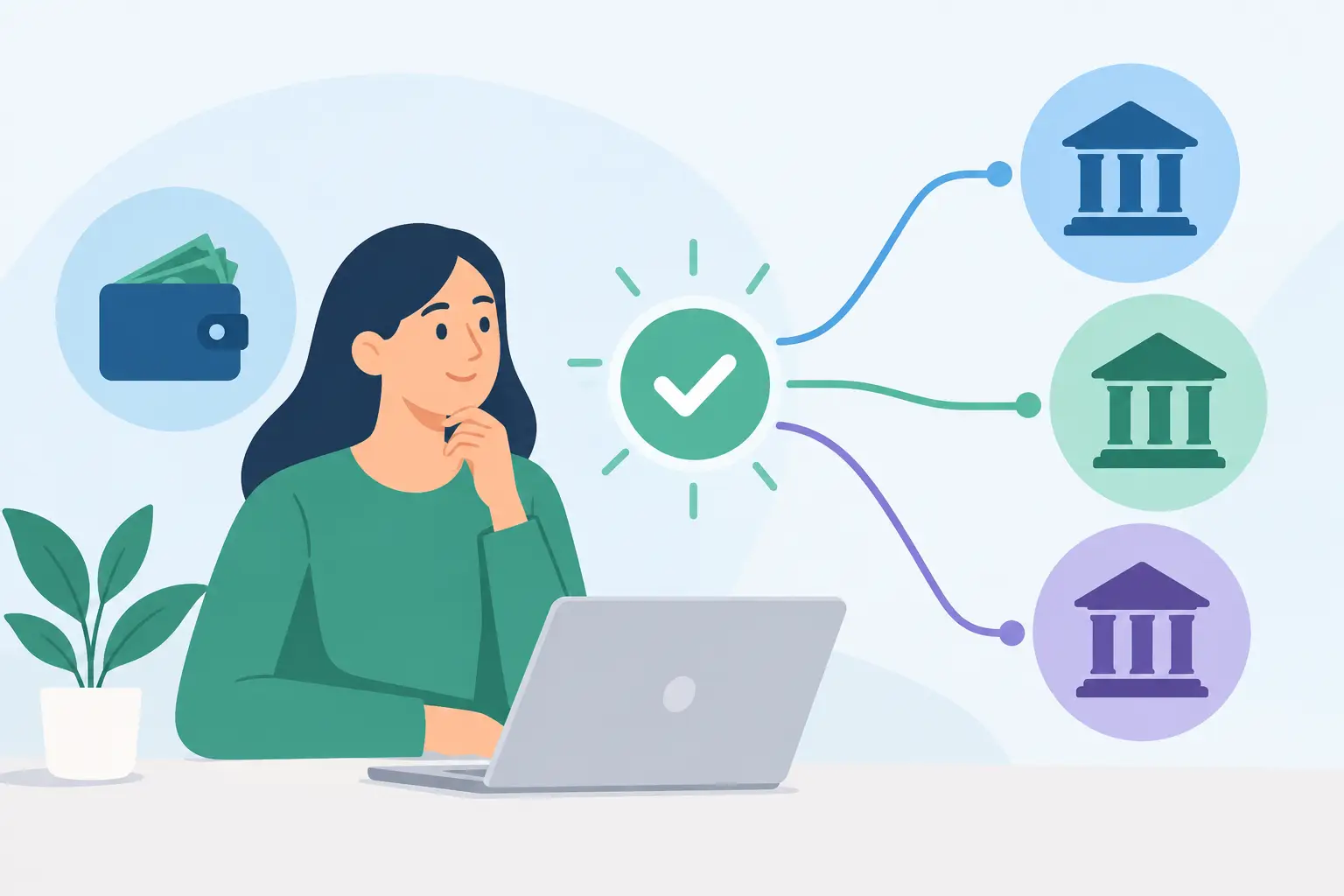
A car repair bill, medical copay, or overdue utility notice rarely arrives at a convenient time. If you need to explore small-dollar borrowing quickly, you may see the phrase what is lender matching while searching online. Lender matching is a process that may connect your loan request with lenders or lending partners that could be willing to review it. It can save time compared with applying one lender at a time, but it is still important to understand what happens before you accept any offer.
What Is Lender Matching?
Lender matching is a service used by online loan marketplaces and loan connection platforms. Instead of issuing a loan directly, the platform collects basic information from your request and uses it to look for potential lender matches within its network.
The goal is straightforward: help you find out whether a lender may be interested in your application without making you visit several websites and fill out the same forms repeatedly. Depending on the platform, you may receive a decision quickly, be shown one or more potential offers, or be directed to a lender’s website to complete the next part of the process.
A match is not the same as guaranteed approval. The lender makes the final lending decision and sets the loan amount, repayment schedule, APR, fees, and other terms. If a lender does not approve your request, the matching service may try to identify another available option, depending on its network and your eligibility.
How the Lender Matching Process Works
The process usually starts with a short online request. You may be asked for your name, contact information, address, income details, employment status, requested loan amount, and banking information. Lenders use this information to assess whether you meet their basic requirements.
After you submit the request, the platform may compare your information against criteria provided by participating lenders. Those criteria can include your state of residence, income, current debt obligations, bank account status, credit history, and the amount you want to borrow.
If there is a potential match, you may be presented with an offer or sent to the lender for further review. At that point, the lender may ask for more documentation, such as proof of income or identification. Some lenders can make a decision fast, while others may need additional time to verify information.
Before funding, you should receive the lender’s loan agreement. Read it carefully. That agreement, not the initial matching result, tells you exactly what you would owe and when payments are due.
Matching Can Involve a Credit Review
Many borrowers with less-than-perfect credit use lender matching because different lenders have different eligibility standards. A lender may consider more than a credit score, including income, payment history, and ability to repay. However, broad credit acceptance does not mean every applicant will qualify.
A matching platform may use a soft credit inquiry in some cases, which generally does not affect your credit score. A lender can also conduct a hard credit inquiry before finalizing a loan, which may affect your score. The exact process varies by lender, so review the disclosures and consent language before submitting your request.
Why Borrowers Use Lender Matching
When an expense is urgent, convenience matters. Lender matching puts multiple possible lending options behind one application flow. Rather than starting over with several individual applications, you can submit your information once and see whether a lender in the network may have an option for you.
This approach can be especially useful for people who have been turned down by a traditional bank, have limited credit history, or need a smaller personal loan for a short-term financial gap. A bank may have narrow underwriting standards or longer processing timelines. Online lending partners may offer different criteria and faster digital review processes.
For eligible borrowers, potential benefits include:
- A short online request instead of several separate applications
- Access to lenders with varying credit and income requirements
- Fast decisions when time-sensitive bills cannot wait
- Loan amounts and terms that may fit smaller borrowing needs
Speed is helpful, but it should not replace careful review. A fast offer only helps if the payments fit your budget.
What Lender Matching Does Not Guarantee
Lender matching makes it easier to search for available options. It does not promise that you will be approved, receive a specific rate, or get funding by a certain time. Approval depends on the lender’s review, your information, applicable state rules, and the lender’s current availability.
It also does not mean the first offer is automatically the best choice. One lender may offer a lower payment but a longer repayment term, which can increase the total cost of borrowing. Another may provide a shorter term with higher scheduled payments. The right option depends on what you can realistically repay without falling behind on rent, utilities, food, transportation, or other essentials.
Be cautious with any company that guarantees approval before reviewing your information, demands an upfront payment to release funds, or asks you to send money through gift cards, wire transfers, or cryptocurrency. Legitimate lenders disclose loan costs before you sign and do not require you to pay a fee in advance just to receive a loan.
How to Review a Loan Offer After a Match
If you receive an offer, slow down long enough to review the numbers. You do not have to accept a loan simply because you were matched with a lender.
Start with the loan amount. Confirm that it covers the expense you need to handle without borrowing more than necessary. Then look at the repayment term and payment frequency. Some loans require payments every two weeks, while others use monthly payments. Make sure the due dates work with your paycheck schedule.
Next, review the annual percentage rate, commonly called APR. APR reflects the annual cost of borrowing and may include certain fees. A higher APR can make a small loan substantially more expensive, particularly if you repay over a longer term. Also check for origination fees, late fees, returned payment fees, and any optional products included in the agreement.
Finally, calculate the total repayment amount. This is the amount you will pay if you make every scheduled payment as agreed. If the total feels difficult to manage, consider requesting a lower amount, choosing a different option if available, or looking for assistance through local community resources before committing.
When Lender Matching May Make Sense
Lender matching may be worth considering when you need to compare potential personal loan options quickly and you do not want to apply separately with multiple lenders. It can be useful for unexpected repairs, medical expenses, travel for a family emergency, or a temporary cash shortfall between paydays.
It may be less suitable if you are already struggling to make existing debt payments. Adding another loan can create more pressure, even if the initial approval process is easy. In that situation, it may help to contact creditors about payment arrangements, ask utility providers about hardship programs, or speak with a nonprofit credit counselor.
The key is to treat a loan as a planned repayment obligation, not extra income. Borrow only what you need, know your due dates, and keep room in your budget for the full payment.
Get Clear Before You Request Funds
Platforms such as Yup Loans are designed to make the first step simple: submit a request online and see whether a lender may be able to help. But your best protection is clarity. Use accurate information, review every disclosure, and do not accept terms you do not understand.
A lender match can give you a faster path to possible funding when life cannot wait. Take the extra few minutes to check the total cost and payment schedule, then choose only the option that helps solve today’s expense without creating a bigger problem next month.