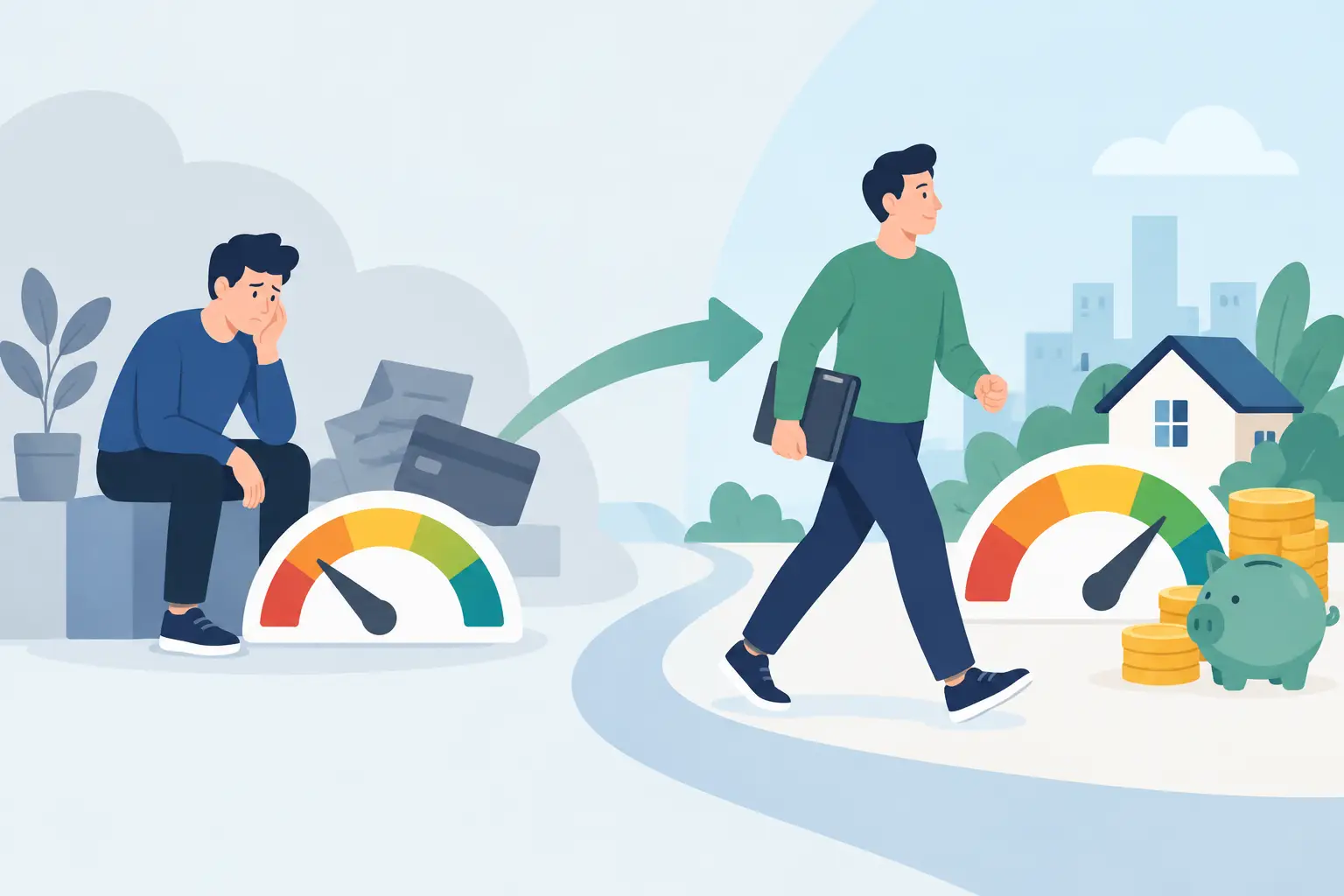
A car repair cannot always wait until your credit score improves. Neither can a past-due utility bill, an unexpected medical expense, or a gap before payday. Poor credit loans may give you a way to request funds when traditional banks have turned you down, but the fastest offer is not automatically the best one. The amount you borrow, the lender’s terms, and your repayment plan all matter.
For many borrowers, the goal is simple: handle an urgent expense without creating a larger problem next month. That starts with understanding how these loans work and what to check before accepting an offer.
What Are Poor Credit Loans?
Poor credit loans are personal loan options designed for applicants with low credit scores, limited credit history, past late payments, or previous financial setbacks. Some lenders look beyond a credit score and may also consider income, employment, banking history, debt obligations, and ability to repay.
These loans are often unsecured, which means you generally do not need to put up a vehicle, home, or other asset as collateral. Loan amounts can be smaller than a traditional bank loan, with repayment terms that may range from a few months to several years depending on the lender and the offer.
Approval is never guaranteed. Lenders set their own requirements, and an offer that works for one borrower may not be available to another. Still, applying through an online lender network can be a practical option when you need to compare possibilities without a long branch visit or piles of paperwork.
When a Small Loan Can Make Sense
A poor-credit loan can be useful when it covers a necessary, time-sensitive expense and the payment fits your budget. For example, repairing the car you use to get to work may protect your income. Paying a utility bill before service is disconnected may prevent extra fees and disruption. Covering an urgent medical or dental cost can be another valid reason to consider a loan.
The key is to borrow for a defined need, not to stretch an already tight budget for nonessential spending. If you need $600 to fix a tire and brake issue, requesting $2,000 just because it is offered can make repayment harder. Smaller borrowing may mean a lower total cost and a more manageable monthly payment.
It also depends on timing. If you expect a reliable source of income soon and can repay under the loan terms, financing may bridge a short-term gap. If you are already behind on several bills and cannot identify room in your budget for another payment, it may be worth contacting your creditors first to ask about payment arrangements or hardship options.
How Online Loan Requests Usually Work
Online borrowing is built for speed, but you should still read the details carefully. With a loan connection service such as Yup Loans, you complete a short online request with basic personal, employment, income, and banking information. The service may connect you with a lender or financial provider that reviews your information and decides whether to present an offer.
If an offer is available, review it before you agree to anything. The lender should disclose the loan amount, repayment schedule, finance charges, annual percentage rate, and any applicable fees. You decide whether the offer works for you.
Funding times vary by lender, verification requirements, bank processing, and the time you complete the agreement. Some approved borrowers may receive funds as soon as the same business day, while others may need to wait longer. Never treat a fast decision as a promise of instant cash or guaranteed approval.
Information You May Need
Most online lenders ask for identifying information, a valid checking account, proof of income or employment details, and contact information. Be accurate. Incorrect income figures, mismatched banking details, or incomplete information can delay a decision or cause an offer to be withdrawn.
Use a secure device and make sure you understand who is receiving your information. A legitimate lender or loan marketplace should explain its role and provide the disclosures required before you accept a loan.
Compare the Cost, Not Just the Payment
A low advertised payment can be misleading if it extends the loan for a long time or includes high finance charges. Before accepting poor credit loans, look at the full cost of borrowing.
Pay close attention to these parts of an offer:
- APR: The annual percentage rate helps show the yearly cost of credit, including certain fees. A higher APR usually means a more expensive loan.
- Total repayment: This is the total amount you will pay back if you make every payment as scheduled.
- Payment amount and due dates: Make sure the payment lines up with your pay schedule and other required bills.
- Loan term: A longer term can lower each payment but may increase the total interest or finance charges paid.
- Fees and penalties: Check for origination fees, late charges, returned-payment fees, and prepayment rules.
Ask one practical question: Can I make this payment even if an unexpected expense shows up next month? If the answer is no, consider requesting less, choosing a different repayment option if available, or waiting until you have a better plan.
Watch for Red Flags Before You Borrow
Borrowers with poor credit are often targeted by scams because they may feel pressured to find money quickly. A real lender may charge fees as disclosed in the loan agreement, but it should not demand an upfront payment by gift card, cryptocurrency, wire transfer, or cash app before it will release your funds.
Be careful with anyone who guarantees approval before reviewing your information, refuses to disclose rates and terms, or pressures you to act immediately without reading the agreement. Legitimate loan offers include clear repayment details. If a company will not tell you what the loan costs, walk away.
Also watch out for automatic withdrawals you do not understand. Many lenders use electronic payments, which can be convenient, but you should know the payment amount, dates, and how to contact the lender if there is a problem.
Build Repayment Into Your Plan First
The strongest use of a loan is one with a clear exit plan. Before you accept funds, write down your expected pay dates and place the loan payment next to rent, utilities, groceries, transportation, insurance, and other essentials. This simple check can show whether the payment is realistic.
If you can, set aside a small cushion in your account before the due date. Even a modest buffer can help you avoid a returned-payment fee if a deposit arrives later than expected. Automatic payments can reduce missed due dates, but only when you know your balance will cover them.
If your circumstances change, contact the lender as soon as possible. Do not wait until several payments are missed. Some lenders may explain available options, although accommodations are not guaranteed. Early communication is usually better than ignoring the problem.
Can a Loan Help Your Credit?
It can, but only under the right circumstances. If a lender reports payment activity to a credit bureau, making every payment on time may help demonstrate positive repayment behavior over time. Not every lender reports to every bureau, so do not assume a loan will build credit unless the lender confirms its reporting practices.
The opposite is also true. Late or missed payments can damage your credit and may lead to extra fees or collection activity. Taking on a loan you cannot afford can make a difficult credit situation worse. A loan should solve a specific short-term need, not become a recurring way to cover basic monthly expenses.
Request Funds With a Clear Purpose
Poor credit does not mean you should have no options. It means you need to be more selective about the option you choose. Review every offer, borrow only what you need, and make sure the payment works with your next few months of income and expenses.
When funds are needed fast, a careful decision can still be a fast decision. Choose a loan only when the terms are clear, the cost is acceptable, and repayment has a real place in your budget.