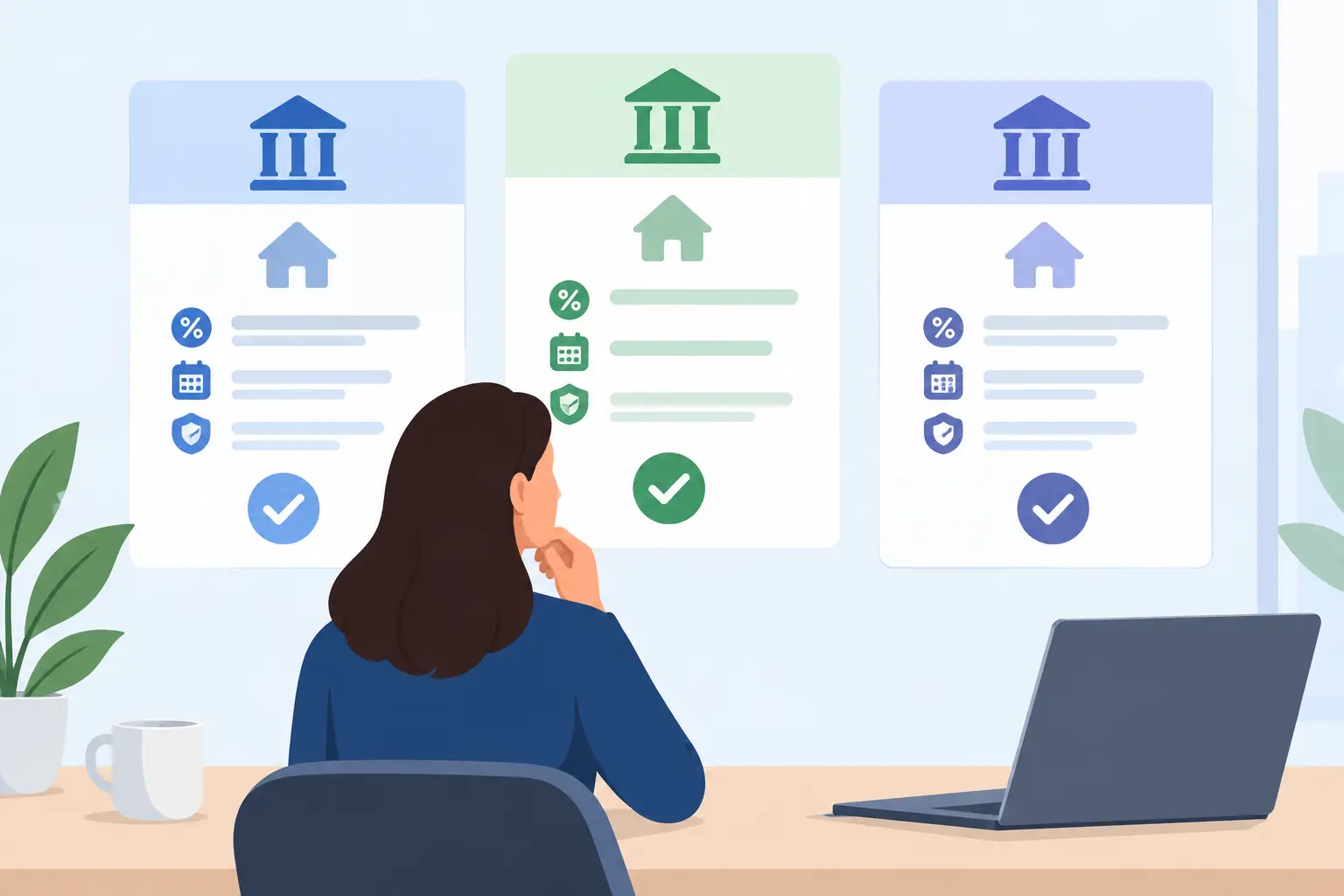
A fast loan offer can feel like the answer when rent is due, your car needs a repair, or an unexpected bill cannot wait. But before you hit accept, take a few minutes to understand what you are agreeing to. Knowing how to compare lender offers can help you choose a loan that solves today’s problem without creating a bigger payment problem next month.
The lowest-looking payment is not always the lowest-cost loan. Fast funding matters when money is tight, but so do the APR, fees, repayment schedule, and total amount you will pay back. Read every offer side by side before signing an agreement.
How to Compare Lender Offers the Smart Way
Put each offer in one place, whether that is a note on your phone, a spreadsheet, or a piece of paper. Compare the same details for every lender: the amount you can receive, APR, fees, payment amount, term length, total repayment, funding timeline, and payment due dates.
Do not compare one number by itself. A lender may offer a smaller monthly payment because the loan lasts longer, but the longer term can mean more interest paid overall. Another offer may fund quickly but include an origination fee that reduces the money deposited into your account.
The best offer depends on what you need right now and what you can realistically repay. If you need $800 for an emergency, an offer that sends only $650 after fees may not cover the expense, even if the approved loan amount says $800.
Start With the Amount You Will Actually Receive
Look beyond the loan amount shown at the top of an offer. Check the net proceeds, which is the amount expected to reach your bank account after any upfront or origination fees are taken out.
For example, a $1,000 loan with a 10% origination fee may provide only $900 in funds. You could still be required to repay based on the full $1,000 borrowed, plus interest. If you need a specific amount for a repair, medical copay, or utility bill, make sure the deposit amount gets you there.
Also avoid borrowing more just because you are approved for more. A larger loan usually means a larger payment and more total interest. Borrow what you need, not the maximum available.
Compare APR, Not Just the Interest Rate
APR means annual percentage rate. It is one of the fastest ways to compare the cost of loan offers because it generally reflects both the interest rate and certain required fees.
A lower APR can mean a less expensive loan, assuming the loan amount and repayment term are similar. Still, APR does not answer every question. A loan with a lower APR and a much longer term may cost more in total than a higher-APR loan you can repay much sooner.
Use APR to narrow your choices, then look at total repayment. The loan agreement should show the total of payments you are expected to make if you follow the schedule as agreed.
Check the Monthly Payment Against Your Real Budget
The payment has to work after the emergency is over. Review your income and regular expenses before accepting an offer. Include rent or mortgage, food, utilities, transportation, insurance, child care, phone bills, existing debt payments, and any upcoming expenses you know about.
Ask one direct question: Can I make this payment on every due date without missing another essential bill?
If the answer is no, a longer repayment term could reduce the payment. That may give you needed breathing room, but it can also increase the total cost of borrowing. A shorter term can save money if the higher payment fits your budget. There is no one right answer – the safer choice is the payment you can reliably afford.
Be careful with offers that quote payments by week or by payday. Convert them into a monthly amount so you can compare them fairly with your normal monthly budget. A $75 weekly payment is closer to $300 or more per month, depending on the month.
Read Every Fee Before You Accept
Fees can change the real cost of a loan quickly. Check the lender’s disclosures for origination fees, late fees, returned-payment fees, non-sufficient funds fees, and any optional products added to the loan.
Some fees may be avoidable. For instance, setting up automatic payments can help you avoid a missed due date, but only if you keep enough money in the linked account. If automatic payments are required or offered at a discount, understand exactly when funds will be withdrawn.
Watch for optional credit insurance or membership products. Do not assume an add-on is required because it appears during the application process. Read the terms and decline anything you do not want or understand.
Look at the Repayment Term and Total Cost
The term is the time you have to repay the loan. For small personal loans, terms can range from a few months to several years. A short term often means higher payments but less interest paid over time. A longer term can make payments easier to manage but may raise the total amount you repay.
Here is the trade-off: choosing the lowest payment can feel helpful today, yet it can keep the debt around longer. Choosing the shortest available term can save money, yet it is not helpful if the payment causes you to fall behind.
Compare the total repayment figure for each offer. Then compare it with the cash you will actually receive. The difference is the cost of borrowing. This simple step makes it easier to see which offer is truly less expensive.
Confirm Funding Speed, but Do Not Let It Decide Everything
When you have an urgent bill, funding time matters. Lenders may advertise same-day, next-business-day, or near-immediate funding after approval. Actual timing can depend on your bank, the time you sign, identity verification, and whether it is a weekend or bank holiday.
Check whether the lender says funds are sent on approval, after final document signing, or on the next business day. If your deadline is tomorrow morning, an offer with slightly better terms may not help if the money will not arrive in time.
Speed is a valid comparison point. Just do not let a fast deposit distract you from an unaffordable payment or high fees. The right offer should meet your timeline and give you a clear repayment plan.
Review the Lender and Loan Terms Carefully
Before sharing information or accepting funds, verify who you are dealing with. Read the lender’s name, contact information, privacy policy, and loan disclosures. Make sure you understand whether you are working directly with a lender or with a loan connection service that may present offers from participating lenders.
For example, a marketplace such as Yup Loans can help connect eligible borrowers with potential lender offers, but the lender that makes an offer sets the final rates, terms, fees, and approval decision. Every offer should be reviewed on its own terms.
Never pay an upfront fee to guarantee a loan. Legitimate lenders may charge disclosed fees that are included in the loan agreement, but a request to send money before you receive loan funds is a warning sign. Be cautious if someone pressures you to act immediately, asks for gift cards or wire transfers, or will not provide written terms.
Check Late-Payment and Prepayment Rules
Life happens. Know what occurs if a payment is late and what options may be available if you have trouble paying. Review the late fee, grace period if any, and whether the lender reports payments to credit bureaus.
Also check for a prepayment penalty. If you expect to pay the loan off early, a lender that allows early payoff without an extra fee can give you more flexibility. Paying early may reduce interest on some loans, but the exact benefit depends on how interest is calculated, so read the agreement.
Choose the Offer You Can Repay With Confidence
A loan should be a practical tool for an immediate need, not a source of extra pressure. Once you compare the deposit amount, APR, fees, payment, term, total repayment, and funding timing, the best choice is usually clearer.
Do not rush past the final disclosures just because you need money fast. A few careful minutes now can help you choose an offer that gets you through the urgent expense while keeping your next payment within reach.