A car repair bill cannot always wait for a bank appointment. When you need to cover an urgent expense, a digital application process can help you request a personal loan from your phone or computer without printing forms or visiting a branch. The process can be quick, but the details still matter: submitting a request is not the same as being approved, and the loan you accept should fit your budget.
How the digital application process works
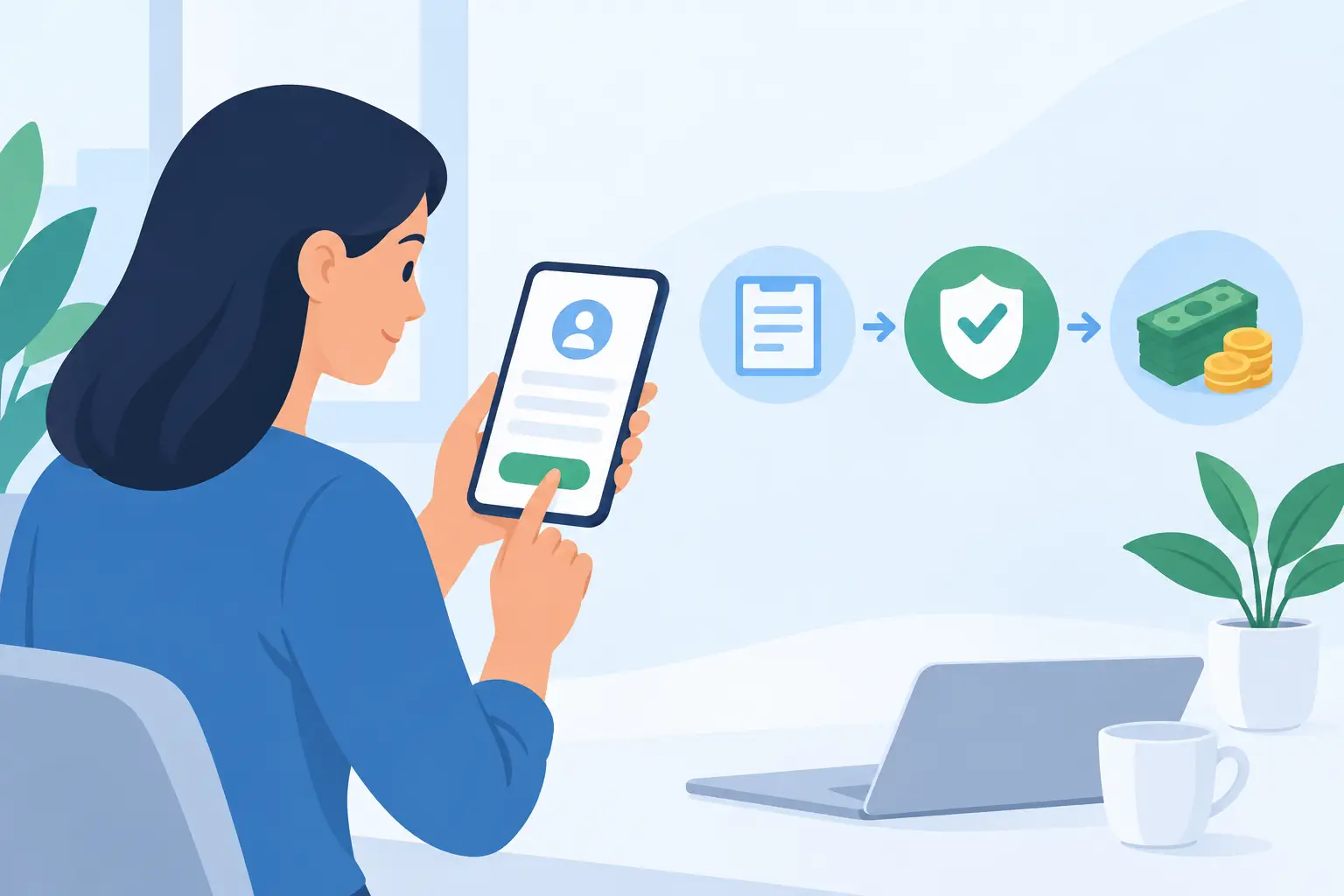
Online loan applications replace much of the paperwork associated with traditional borrowing. Instead of filling out documents by hand, you provide information through a secure online form. A loan marketplace may then use that information to see whether one or more participating lenders have an offer that may fit your request.
At Yup Loans, borrowers can request unsecured personal loan options from $250 to $3,000. Unsecured means you generally do not pledge a vehicle, home, or other asset as collateral. Eligibility, available amounts, rates, terms, and funding times depend on the lender and your individual financial profile.
The exact screens can differ by provider, but most digital applications follow a similar path. You enter basic personal and contact information, share details about your income and banking situation, review any available loan options, and decide whether to move forward. If a lender makes an offer and you accept it, you may need to complete additional verification before funds are sent.
For many borrowers, this is faster than a branch-based process because information can be reviewed electronically. Still, speed is not guaranteed. A lender may need more documentation, may be unable to make an offer, or may require extra time to verify details.
What you may need before you apply
Having accurate information ready can make an online request easier. Use your legal name and current address, and make sure the contact details you provide are active. Lenders and lending partners commonly ask for information that helps them confirm identity, assess repayment ability, and deposit funds if you accept a loan.
You may be asked for:
- A government-issued ID and your date of birth
- A valid email address and mobile phone number
- Income details, including your pay frequency or other regular income
- An active checking account in your name
- Your Social Security number or another identifier for identity and credit-related checks
Do not guess when entering income, bank information, or employment details. Errors can slow verification, prevent funding, or create problems later. If your income changes from month to month, provide the information requested as accurately as possible and be prepared to document it if asked.
A lender may review credit information, but credit standards vary. Some lending partners consider applicants with less-than-perfect credit, thin credit histories, or previous credit challenges. That does not mean every applicant will qualify. Approval, rates, and terms are always determined by the lender.
From request to loan offer: what happens next
After you submit your information, the platform or lender reviews it against available lending criteria. You may receive a decision quickly, sometimes within minutes. In other cases, the process takes longer because the lender needs clarification or supporting documents.
If you receive an offer, slow down long enough to read it. An offer should show the amount you may borrow, the repayment term, the payment schedule, and the cost of borrowing. This is the point where a fast process needs a careful decision.
Pay particular attention to the annual percentage rate, or APR. APR is designed to show the yearly cost of credit and may include interest and certain fees. A smaller loan with a short repayment period can still have a high APR, especially when fees are involved. The payment amount may look manageable while the total repayment amount is higher than expected.
Also check whether the lender charges origination fees, late fees, returned-payment fees, or other charges. Ask yourself two direct questions: Can I make every scheduled payment on time? And will this loan solve the expense without creating a bigger gap in next month’s budget?
You are not required to accept an offer simply because you requested one. If the terms do not work for you, it may be better to decline and consider other options.
How to compare personal loan offers online
When more than one option is available, compare the full cost and repayment structure, not just the amount deposited into your account. The best choice depends on what you need, how soon you can repay, and what your budget can handle.
A lower monthly payment can be helpful, but it may come with a longer term and a higher total cost. A shorter term may reduce the overall amount you repay, yet the scheduled payments may be harder to manage. There is no one right answer for every borrower.
Review the loan amount first. Borrow only what you need for the expense if possible. Then compare the APR, payment amount, payment due dates, number of payments, and total amount of payments. Confirm whether there is a penalty for paying early and whether automatic payments are required or optional.
It is also smart to verify who is making the offer. A loan connection service is not necessarily the direct lender. The lender named in your loan agreement is the company providing the funds and setting the final loan terms. Read the agreement before signing and save a copy for your records.
What can affect funding time
Some lenders can send funds as soon as the same business day after approval and completion of required steps. Others may take one or more business days. Your bank can also affect when a deposit becomes available in your account.
Funding may be delayed if information cannot be verified, if you apply outside normal processing hours, if there is a weekend or federal holiday, or if your bank has its own deposit posting schedule. A request submitted late at night may not move forward until the next business day.
If timing is critical, read the lender’s funding disclosures and check your bank account details before you accept. Never rely on estimated funding time alone for an expense with a hard deadline, such as avoiding a utility shutoff or making a medical payment. Contact the biller or provider to ask about extensions, payment plans, or other arrangements while your application is pending.
Protect your information during an online loan request
A legitimate digital application should clearly identify the company collecting your information and explain how it may be shared with lenders or marketing partners. Review privacy notices and consent language before submitting the form.
Be cautious of anyone who promises guaranteed approval, asks for money upfront before you receive a loan, pressures you to act immediately without showing terms, or requests payment through gift cards, cryptocurrency, or wire transfers. Those are common warning signs of a scam.
Use a private connection when possible, especially when entering personal or bank details. Avoid applying through a public Wi-Fi network. Keep your device updated, use a strong password for your email account, and never share verification codes with someone who contacts you unexpectedly.
Make a fast decision without making a rushed one
The value of a digital loan application is convenience: you can request options quickly when an unexpected cost hits. The responsibility comes at the offer stage. Read the terms, calculate the payment against your actual budget, and understand when funds may arrive before you commit.
If a loan payment would force you to miss rent, utilities, groceries, or other essentials, pause before accepting. A payment plan, assistance program, employer advance, or help from a local resource may be worth exploring depending on your situation. When borrowing is the right next step, choose terms you can realistically repay and keep every document until the loan is paid in full.