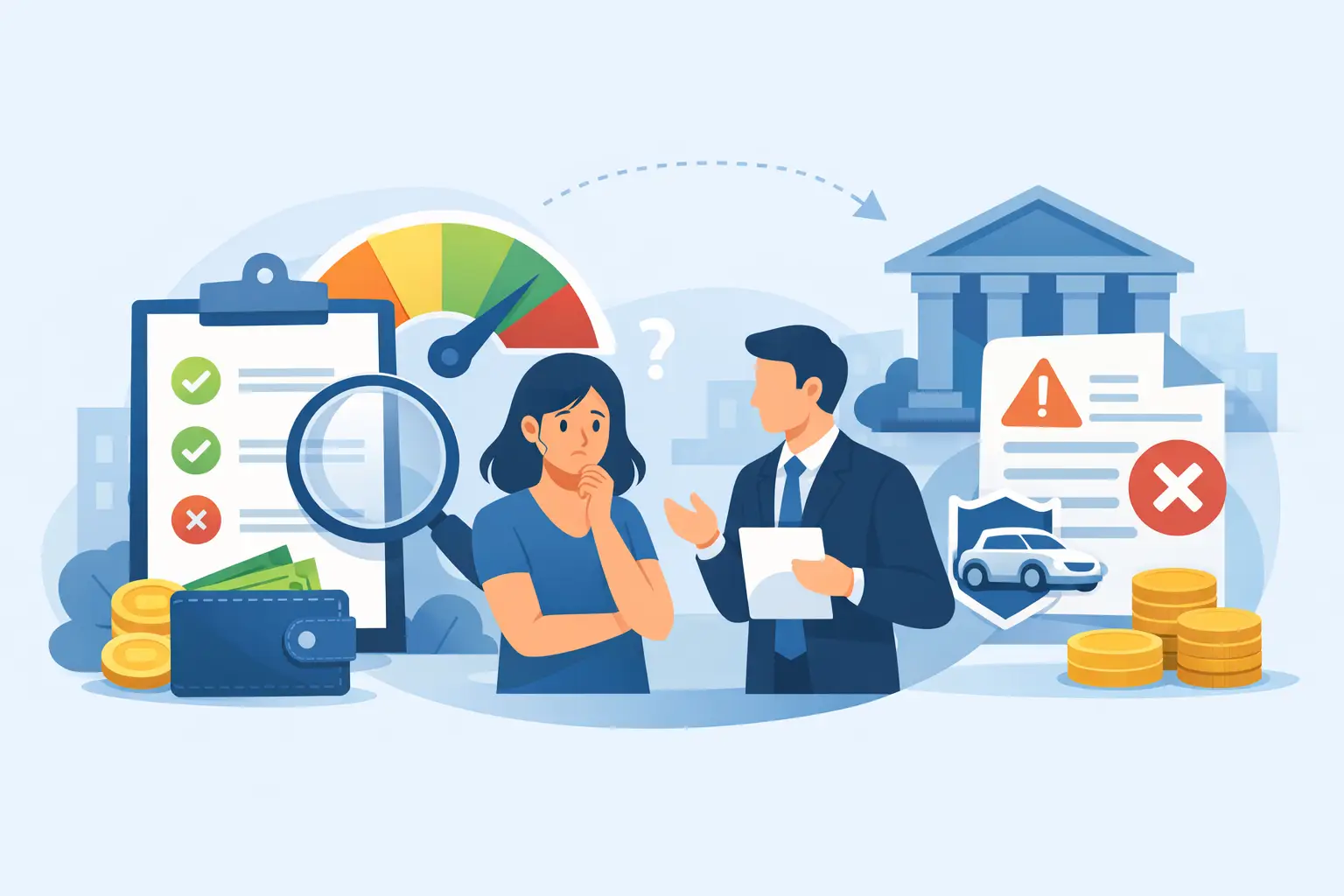
A low credit score can make an urgent expense feel even more stressful. But bad credit personal loan requirements are often more flexible than the standards used by traditional banks. Many lenders look beyond a score to review your income, banking activity, identity, and ability to repay. That can give you a path to request funds for a repair, medical bill, utility payment, or other unexpected cost.
Approval is never guaranteed, and a loan is not automatically the right answer for every short-term cash gap. Still, knowing what lenders may ask for before you apply can help you move faster, avoid surprises, and compare offers with a clear head.
What Are Bad Credit Personal Loan Requirements?
Requirements vary by lender, loan amount, state, and the details of your application. A lender that works with bad-credit borrowers may accept lower credit scores or limited credit histories, but it will still need evidence that you are a real person with a reliable way to make payments.
Most online personal loan applications start with basic eligibility requirements. You generally need to be at least 18 years old, live in the United States, and have a valid government-issued ID. You will usually also need an active checking account in your name and a working phone number and email address.
The lender may then review your income and recurring expenses. Employment income can help, but some lenders may consider other verifiable income sources, such as retirement benefits, disability income, self-employment earnings, or other regular payments. The key question is whether the proposed payment appears manageable within your budget.
Credit still matters, but it is not always the only factor. A recent late payment, a thin credit file, or a past financial setback does not necessarily mean you cannot receive an offer. It may mean the offers available to you have smaller loan amounts, higher annual percentage rates, or shorter repayment terms.
Documents and Information to Have Ready
A fast online application goes more smoothly when your details match across your documents and bank account. Before you request a loan, have the following information available:
- Your legal name, date of birth, current address, and Social Security number or other requested taxpayer identification information.
- A valid state ID, driver’s license, or other government-issued photo identification.
- Your employer name, work phone number, pay frequency, and approximate monthly income.
- Recent pay stubs, benefit statements, or bank transaction details if a lender asks to verify income.
- Your checking account and routing numbers for electronic deposit and scheduled repayments.
Not every lender will request every document upfront. Some may verify information electronically, while others may ask for additional proof after reviewing your application. Responding promptly can prevent a delay, but do not send documents until you have confirmed you are working with a legitimate lender or loan marketplace.
Income and Bank Account Requirements Matter Most
For many bad-credit borrowers, consistent income is more influential than a credit score alone. A lender wants to see that money comes in regularly and that a loan payment will not leave your account short for rent, food, transportation, or other essentials.
There is no universal minimum income requirement. One lender may accept a lower income level for a $300 loan, while another may need more income or a longer work history for a larger request. Your available loan amount may also depend on your state and the lender’s underwriting rules.
An active checking account is commonly required because it gives the lender a way to deposit approved funds and collect payments according to the loan agreement. Prepaid cards, savings accounts, or accounts that are frequently overdrawn may not qualify. Make sure the account is in your name and review your balance before agreeing to any automatic payment schedule.
What Lenders May Check Besides Your Credit Score
A credit pull can be part of the process, but lenders often use additional information to evaluate applications. Depending on the provider, this can include your income pattern, employment status, debt obligations, bank account history, and past borrowing activity.
Some loan connections start with a soft credit inquiry, which generally does not affect your credit score. A lender that makes a firm offer may then conduct a hard credit inquiry. Ask or read the disclosures so you understand what type of check may occur and when.
Lenders may also verify your identity to help prevent fraud. If an application cannot be verified, the lender may decline it or request more documentation. Entering accurate information from the beginning is one of the simplest ways to avoid a preventable rejection.
How to Improve Your Chances Before You Apply
You do not need perfect credit to request a personal loan, but a few practical steps may strengthen your application. Start by requesting only what you truly need. A smaller amount can be easier to repay and may be more likely to fit a lender’s underwriting criteria.
Next, review your income and monthly expenses honestly. If the payment would force you to skip other bills, look at alternatives before accepting an offer. Borrowing can solve an immediate problem, but missed payments can create a more expensive problem later.
It also helps to use current contact details and a stable bank account. If you have recently changed jobs or moved, be ready to explain your current situation if requested. Avoid submitting multiple applications with conflicting details, since inconsistencies can slow down verification.
If you have a trusted co-borrower option, that may help with certain lenders, though many small online loan products do not offer joint applications. A secured loan may also be available through some financial institutions, but it puts an asset at risk. The best option depends on how quickly you need funds, the amount you need, and what repayment you can safely handle.
Compare the Full Loan Offer, Not Just the Approval Message
Getting an offer can feel like a relief when money is tight. Take a moment to read the terms before you accept. The loan amount is only one part of the decision. The APR, finance charges, payment amount, payment dates, and total cost all matter.
For example, a shorter term may reduce the total amount of interest paid, but it can create a higher payment each month or pay period. A longer term can lower each payment but may cost more overall. There is no one-size-fits-all choice. Select a payment schedule that fits your actual income cycle, not the best-case version of your budget.
Also check whether there are origination fees, late fees, returned-payment fees, or prepayment penalties. Read what happens if you miss a payment. If the contract is unclear or the payment amount does not make sense, do not rush to sign just because the decision was fast.
Watch for Loan Scams and Unfair Pressure
Borrowers with bad credit are frequent targets for scams. A legitimate lender may charge fees that are disclosed in the agreement, but it should not demand an upfront payment by gift card, wire transfer, cryptocurrency, or cash before releasing your funds.
Be cautious if someone guarantees approval without reviewing your information, pressures you to act immediately, or refuses to provide clear loan terms. Protect your Social Security number and bank details. If you use an online marketplace such as Yup Loans, remember that it connects consumers with potential lending partners and offers rather than making every loan directly.
Requesting Funds With a Clear Repayment Plan
A bad-credit personal loan can be a practical tool when the expense is necessary, the terms are clear, and the payment fits your budget. Before you apply, decide what you can afford to pay and when. Then use that number to judge every offer you receive.
The fastest decision is not always the best loan. A better next step is the offer that helps handle today’s expense without making next month’s bills harder to manage.