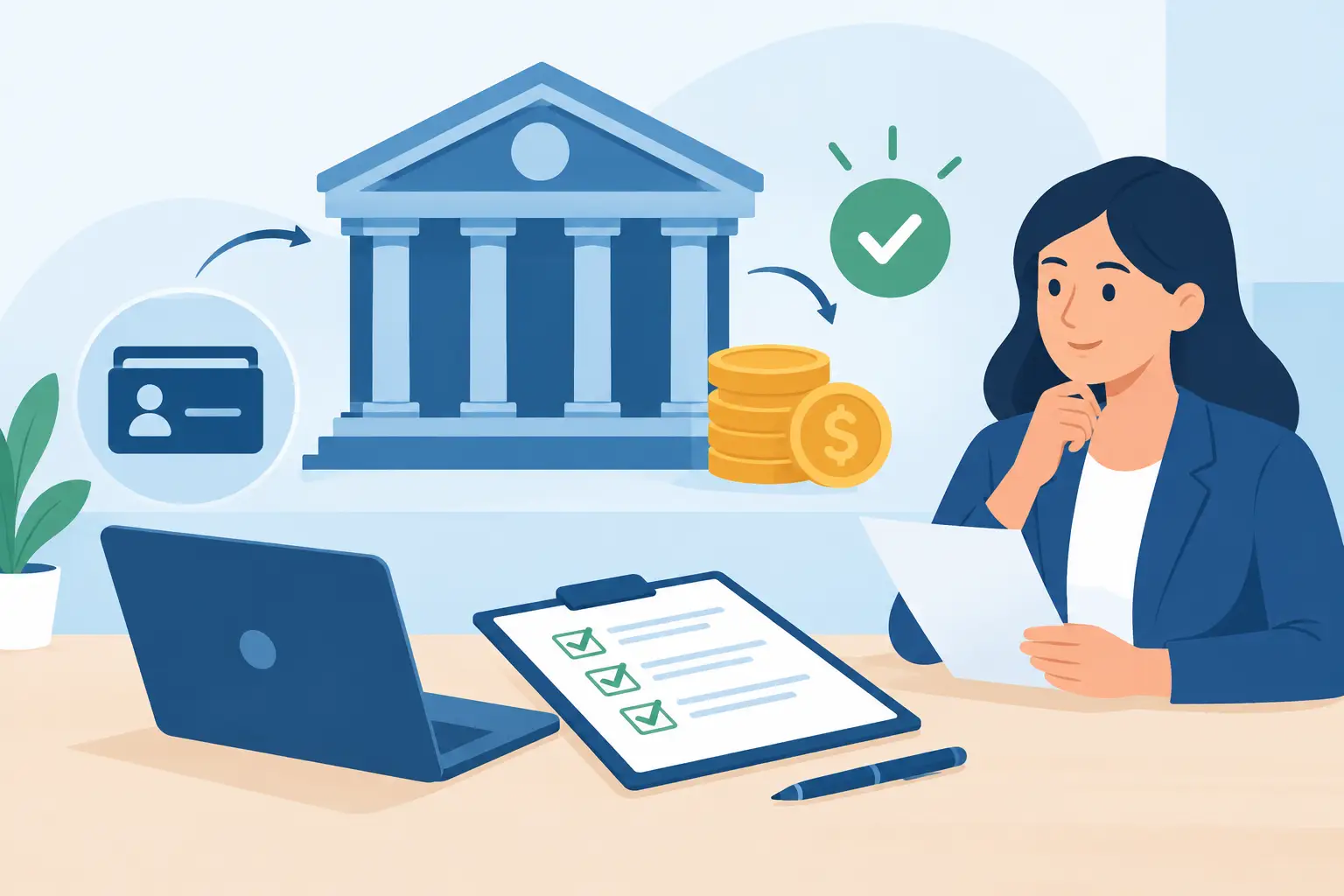
A working bank account can be one of the first things a lender looks for when you request a small personal loan online. Bank account loan requirements are not just about where your funds will be sent. Your account may also help a lender confirm your identity, review income activity, and set up repayment if you accept a loan offer.
If you need money for an unexpected bill, car repair, medical cost, or another urgent expense, knowing what to have ready can save time. Requirements vary by lender and state, but a few basics come up often.
Why Lenders Ask for a Bank Account
Most online personal loan lenders require an active checking account in your name. This gives the lender a way to deposit approved funds electronically instead of sending a paper check. It can also make repayment simpler because scheduled payments may be withdrawn from the same account, depending on the loan agreement.
A bank account also gives lenders another way to review whether a loan payment is likely to fit your situation. They may look for recurring direct deposits, regular income, account ownership, or a history that suggests the account is active. That does not mean every applicant needs a large balance. It means lenders want enough information to make a lending decision.
Savings accounts may not always qualify. Many lenders prefer a personal checking account because it can receive direct deposits and support electronic withdrawals. Prepaid cards, business accounts, and accounts owned by someone else may also be rejected.
Common Bank Account Loan Requirements
The exact bank account loan requirements depend on the lender, loan amount, your state, and your overall application. Still, applicants are commonly asked to provide the following information:
- An active US checking account in your own name
- Your bank routing number and account number
- A valid government-issued ID and contact information
- Proof of regular income or recent income details
- The ability to receive electronic deposits and, if required by the agreement, make electronic payments
Some lenders may ask you to connect your bank account through a secure verification service. Others may request recent bank statements, pay stubs, or transaction history. This can feel personal, especially when you are already handling a financial emergency, but it is usually part of verifying the application and preventing fraud.
Do not enter bank details until you are on a legitimate, secure application page and understand who is reviewing your request. A loan marketplace may connect you with lenders, but it does not guarantee that you will be approved or that every lender has the same requirements.
What Lenders May Review in Your Account
Your account is only one part of the decision. A lender may use information from your application, credit reports, alternative credit data, or bank verification to assess the request. Applicants with less-than-perfect credit can still have options, but approval, rates, fees, and loan amounts can vary widely.
Income Deposits
Lenders generally want to see that you have a way to repay the loan. Income may come from employment, self-employment, benefits, retirement income, or other qualifying sources. What counts depends on the lender.
Regular deposits are often more helpful than a single large deposit. If your income changes from month to month, be accurate about it. Inflating your income or listing deposits that are not yours can lead to a denial or cause an approved offer to be withdrawn later.
Account Ownership and Activity
The name on the account should match the name on your loan application. Joint accounts may be accepted by some lenders, but not all. If you recently changed your legal name, make sure your identification and bank records are consistent before applying.
An account with recent activity is generally easier to verify than a new or dormant account. Frequent overdrafts, returned payments, or a negative balance may affect a lender’s decision, though each lender reviews risk differently. A past overdraft does not automatically mean you cannot qualify.
Deposit and Repayment Capability
For many online loans, funding is sent by ACH deposit. Your account must be able to receive those deposits. If you accept an offer with automatic payments, make sure you understand the withdrawal dates, payment amount, total repayment cost, and what happens if a payment fails.
Fast funding can be useful, but it is not guaranteed. Some lenders may fund as soon as the same business day after final approval, while others take one or more business days. Weekends, bank holidays, verification delays, and your bank’s posting schedule can all affect when money becomes available.
How to Prepare Before You Request a Loan
A few minutes of preparation can reduce avoidable delays. Start by checking that your checking account is open, active, and able to receive electronic deposits. Have your routing and account numbers available, but never share them through unsolicited texts, emails, or social media messages.
Next, gather the details you may need for the application: your address, phone number, email, identification, employer or income source, pay frequency, and approximate monthly income. If you receive direct deposit, knowing the usual deposit dates can also help you answer verification questions accurately.
Review your account balance and upcoming bills before accepting any loan. Ask yourself whether the scheduled payment will still be manageable after rent, utilities, groceries, transportation, and other essentials. A loan can help cover a short-term gap, but a payment that strains your next paycheck can create a new problem.
Yup Loans helps consumers request offers through an online lender network, which may be useful when you need to compare available options quickly. Submitting a request does not guarantee approval, and the lender that presents an offer will disclose its own terms before you agree to borrow.
Can You Get a Loan Without a Bank Account?
Sometimes, but your choices may be more limited. Certain lenders offer other funding methods, such as a paper check, prepaid debit card, or in-store pickup. Those options can take longer, may not be available where you live, and may come with different fees or restrictions.
If you do not have a checking account, avoid opening one solely because someone promises guaranteed approval. No legitimate lender can promise approval before reviewing your information. Instead, consider whether opening a low-fee checking account makes sense for your broader financial needs, not just one loan request.
A bank account is not a substitute for income, identification, or the ability to repay. It is one piece of the application. Borrowers with bad credit, thin credit, or a prior denial may still be considered by some lenders, but they should expect the loan terms to reflect the lender’s assessment of risk.
Watch for Costs, Not Just Fast Funding
When money is urgent, a quick decision can matter. The full cost of the loan matters too. Before accepting an offer, read the disclosure and compare the APR, finance charge, payment schedule, total of payments, late-payment rules, and any optional products or fees.
A smaller loan may be easier to repay than borrowing the maximum amount available. For example, if you need $400 for a repair, taking $1,000 because it is offered could raise your payment and total cost without solving a bigger need. Borrow only what you have a realistic plan to repay.
If a lender asks you to pay an upfront fee before releasing funds, pressures you to act before you can read the terms, or says your credit and income do not matter at all, pause. Those are warning signs. Legitimate loan terms should be clear before you accept.
A Better Way to Approach Your Request
Keep your application accurate, use an active checking account in your name, and review every offer before agreeing. If your account or income details have changed, update them rather than guessing. Accurate information can help prevent funding delays and gives you a clearer picture of the payment you may be taking on.
When the expense cannot wait, focus on the loan amount you truly need and the payment you can afford on your next due date. That simple check can help you use a short-term loan as a practical bridge instead of turning an urgent expense into a longer financial burden.