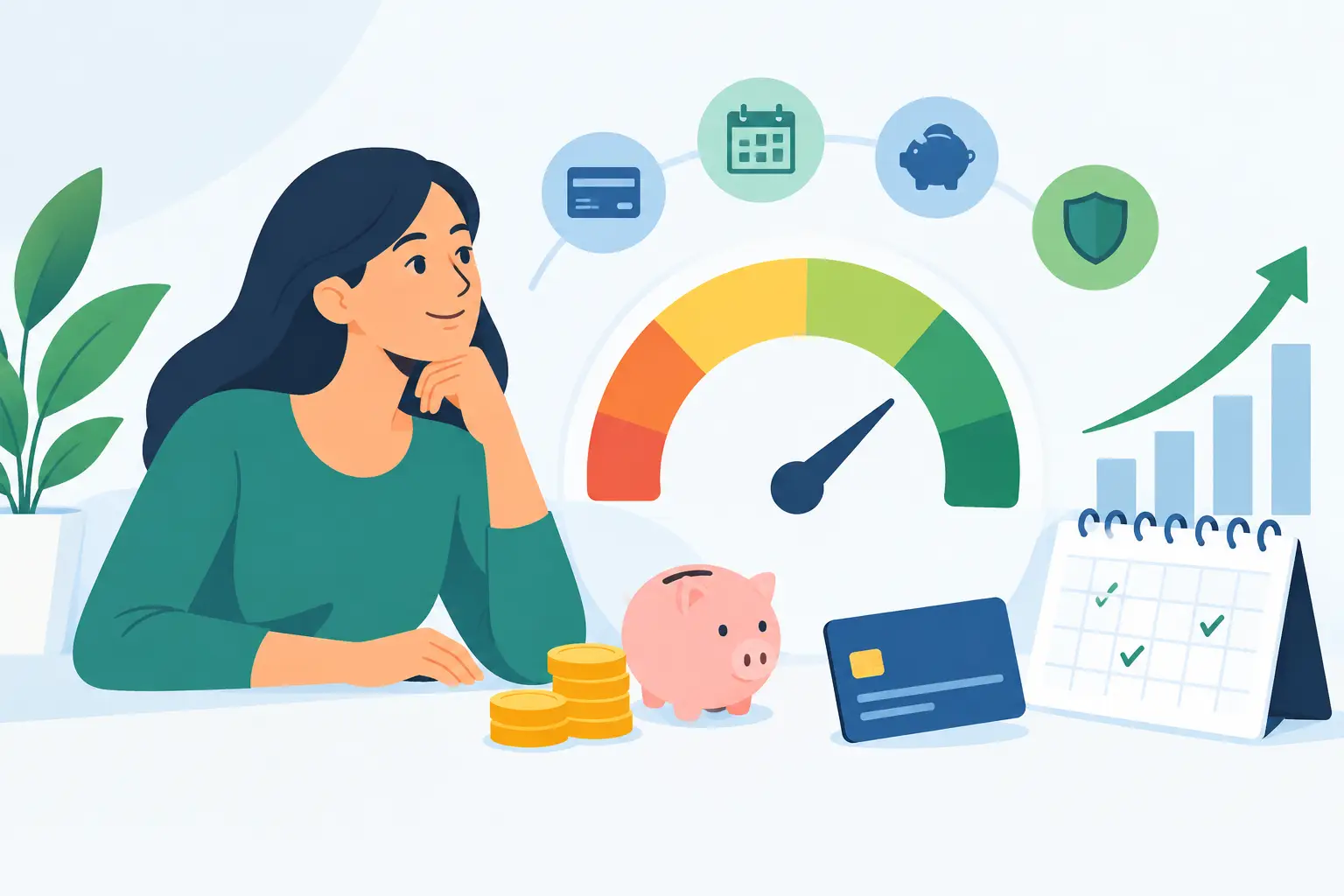
A single late payment can stay on your credit reports for years. A high card balance can lower your score even when you pay every bill on time. That is why the best credit building habits are not complicated tricks. They are small, repeatable actions that show lenders you can manage borrowed money responsibly.
Credit can affect more than a loan application. It may influence the rates you receive, the deposits required for utilities, and your options when an unexpected bill hits. Whether you are rebuilding after financial stress or starting with little credit history, consistency gives you the strongest path forward.
Best Credit Building Habits That Make a Difference
1. Pay every account on time
Payment history is one of the biggest parts of a typical credit score. Credit cards, auto loans, personal loans, student loans, and other reported accounts all need to be paid by their due dates. Even one payment that is more than 30 days late can hurt.
Set up automatic minimum payments if your budget allows, then make extra payments manually when you can. The minimum payment keeps the account current. Paying more than the minimum reduces what you owe and can lower interest charges.
If you know you will not be able to make a payment, contact the lender before the due date. Some lenders may offer a payment arrangement or change your due date. There is no guarantee, but acting early is far better than ignoring the bill.
2. Keep credit card balances low
Your credit utilization ratio is the amount of revolving credit you are using compared with your available limit. For example, a $300 balance on a card with a $1,000 limit equals 30% utilization.
Lower is generally better. Many consumers aim to keep reported utilization below 30%, while keeping it under 10% may be useful when you are preparing to apply for credit. You do not need to carry a balance or pay interest to build credit. Using a card for a small purchase and paying it off can still show positive activity.
The timing of your payment can matter. Card issuers often report the balance around the statement closing date, not necessarily after your due date. If a large purchase pushes your balance up, paying some of it before the statement closes may reduce the balance that gets reported.
3. Use credit for planned purchases, not budget gaps
Credit works best when you already have a realistic repayment plan. Charging everyday expenses without knowing how you will pay the bill can create a cycle of high balances, fees, and missed payments.
Before taking on a payment, look at the full cost. Ask whether the payment fits after rent, food, utilities, transportation, and other essentials. For a loan, review the payment amount, the repayment schedule, the APR, and any applicable fees. A fast funding option can solve an urgent problem, but it should still be a payment you can afford.
If you request a small personal loan through a marketplace such as Yup Loans, review each offer carefully before accepting. Approval does not automatically mean a loan is the right fit for your budget.
4. Build a mix of accounts slowly
A healthy credit profile may include both revolving accounts, such as credit cards, and installment accounts, such as auto or personal loans. But you should never open accounts just to create a certain credit mix.
Start with the account type you can manage. A secured credit card may be an option for someone with limited credit history. A credit-builder loan may also help some borrowers establish a record of on-time payments. The right choice depends on fees, your cash flow, and whether the provider reports payments to the major credit bureaus.
One well-managed account can be more useful than several accounts that stretch your budget. Add credit only when it serves a clear purpose.
5. Apply selectively and space out applications
When you apply for many credit products in a short period, lenders may see you as a higher-risk borrower who needs cash quickly. Most credit applications create a hard inquiry, which can cause a small, temporary score drop.
That does not mean you should avoid applying when you genuinely need credit. It means you should compare terms first, apply to lenders or products that fit your situation, and avoid applying repeatedly after a denial. Some rate-shopping for the same type of loan within a limited period may be treated differently by scoring models, but the details can vary.
If your score is currently low, focus first on the habits you can control: paying on time, lowering balances, and checking your reports. A stronger profile may give you more options later.
6. Keep older accounts open when it makes sense
The age of your credit accounts can help show a longer track record. Closing an old credit card may reduce your available credit and raise your utilization ratio, especially if you still carry balances on other cards.
Still, keeping every account open is not always the right move. If a card has a costly annual fee, encourages overspending, or is tied to a difficult financial period, closing it may be worth it. Consider the trade-off before deciding. If you keep an older card open, use it occasionally for a small planned purchase and pay it off so the issuer does not close it for inactivity.
7. Check your credit reports for errors
A mistake on a credit report can make your hard work less visible. Review your reports regularly for accounts you do not recognize, incorrect late payments, outdated balances, or personal information that does not belong to you.
Keep records of payments, account statements, and any communication with lenders. If you find an error, dispute it with the credit bureau reporting it and with the company that supplied the information. Be specific and provide documentation when possible.
Checking your own reports does not hurt your score. In fact, it can help you spot identity theft or account problems before they become more difficult to fix.
8. Give positive habits time to work
Credit building is not instant, even when your financial behavior improves right away. A paid-down balance may be reflected after the next reporting cycle. A history of on-time payments becomes more meaningful over months and years.
Avoid score-chasing moves that do not fit your life, such as opening multiple cards or borrowing more than you need. Focus on the pattern lenders want to see: manageable balances, on-time payments, and borrowing that stays within your means.
What to Do If Your Credit Is Already Damaged
Start by getting current on accounts that are behind, or speak with creditors about available arrangements. Then create a simple payment calendar so every due date has a plan. If your debt feels unmanageable, a nonprofit credit counselor may help you review options without pushing you into another expensive loan.
Do not expect a quick fix from companies that promise to erase accurate negative information. Accurate late payments, collections, and defaults may remain on your reports for a period of time. What you can change now is the activity that gets reported next month and the month after that.
Small progress counts. Paying one account on time, reducing one balance, and avoiding one unnecessary application can move your financial situation in the right direction. Keep the next payment manageable, make it on time, and let that choice become your new routine.