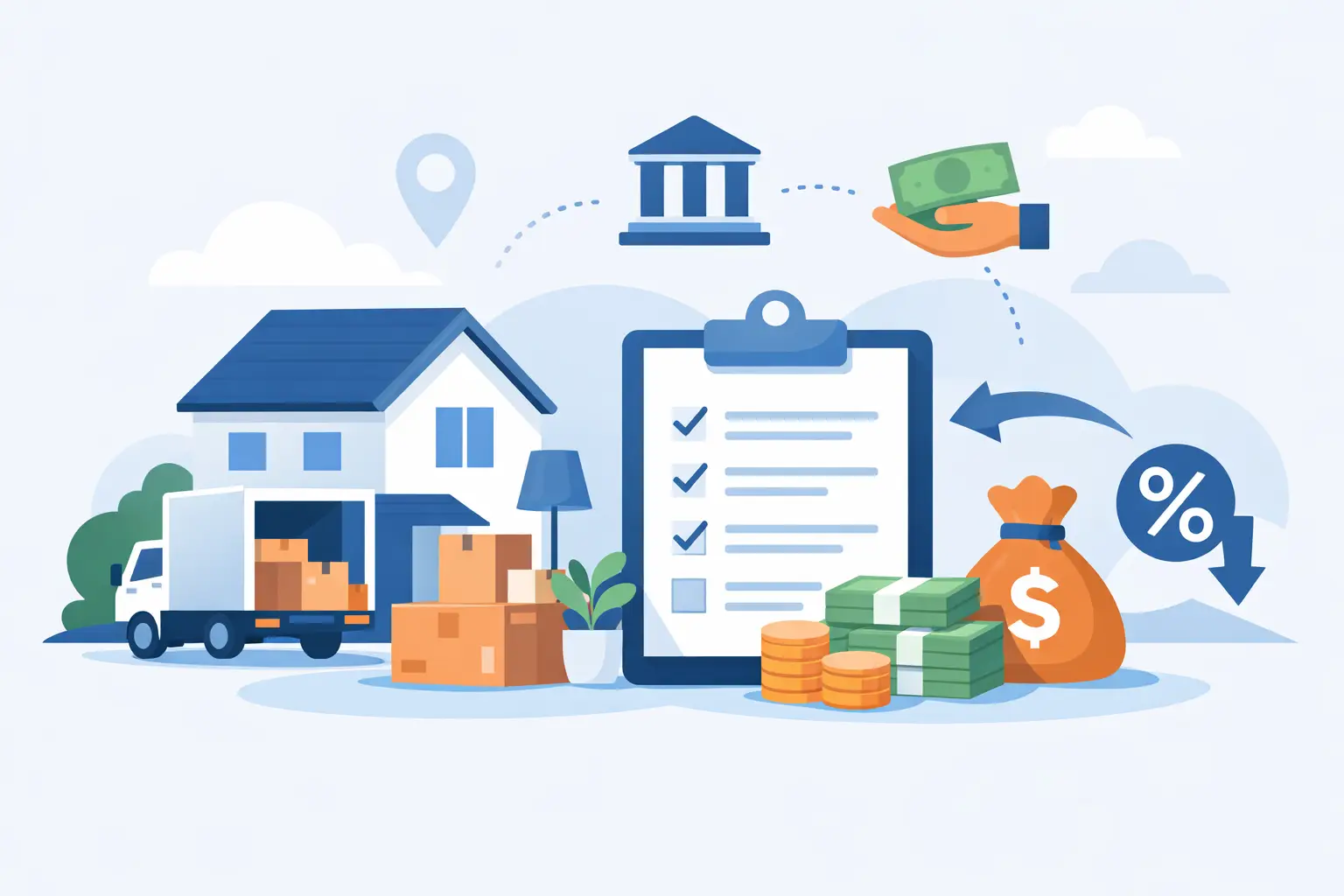
Moving can demand cash before your next paycheck arrives. A security deposit, truck rental, utility connection fees, boxes, and a few nights in a hotel can pile up fast. The best loans for moving costs are usually the ones that cover your immediate gap without creating a payment that strains your budget after you unpack.
For many borrowers, an unsecured personal loan is the most flexible option because funds can be used for nearly any qualified moving expense. But the right choice depends on how much you need, how soon you need it, your credit profile, and what you can realistically repay.
What moving costs can a loan cover?
A moving loan is not usually a special loan product. It is commonly a personal loan used to pay for relocation expenses. Depending on the lender and your approved terms, you may use the funds for a moving company, rental truck, fuel, storage unit, application fees, security deposit, first month’s rent, utility deposits, or basic supplies for the new place.
That flexibility matters when your move has more than one expense. If you only need $80 for gas, borrowing may not make sense. But if you are short on a $900 deposit and your lease start date is days away, financing can give you room to handle the expense now and repay it over time.
Before applying, total your expected costs and subtract the money you already have available. Borrowing only the gap can help keep both your loan payment and total borrowing cost lower.
Best loans for moving costs: compare your options
There is no single best answer for every move. These are the main options worth comparing when you need money quickly.
Unsecured personal loans
An unsecured personal loan does not require collateral such as a car or home. You receive a lump sum, then make scheduled payments over a set term. This can be a practical fit when you need several hundred or several thousand dollars for a move and want predictable payments.
Online loan marketplaces and lenders may offer a faster application process than a traditional bank. Some lenders consider more than a high credit score, which can help borrowers with limited credit history or imperfect credit. Approval is never guaranteed, and rates, fees, loan amounts, and funding time vary by lender.
For a smaller moving gap, a loan in the $250 to $3,000 range may cover essentials such as deposits, transport, and utility setup. Check the payment amount before accepting an offer. A longer term can lower each payment, but you may pay more interest overall.
Credit union or bank personal loans
If you have an existing relationship with a bank or credit union, ask about its personal loan options. Credit unions may offer competitive rates for qualified members, particularly borrowers with solid credit and enough time to wait for funding.
The trade-off is speed and qualification requirements. Some institutions have stricter underwriting, membership rules, or a longer review process. That may not work if your truck reservation or move-in deadline is tomorrow.
Moving company payment plans
Some moving companies offer financing or allow you to pay a deposit upfront and the remaining balance later. This may simplify payment for the moving service itself, but it will not necessarily cover rent deposits, travel, or utility fees.
Read the terms closely. Promotional financing can become expensive if interest is deferred and you do not pay the balance by the deadline. Also compare the mover’s total quote with other companies. Easy financing does not make an overpriced move a good deal.
Credit cards
A credit card can help with a short-term, smaller expense when you can repay it quickly. It may be useful for a hotel, gas, or supplies, especially if a card offers a low introductory rate and you qualify.
Still, credit cards often carry high variable APRs. Using a card to fund a large deposit or an entire long-distance move can leave you with a revolving balance that takes much longer to clear. A fixed-payment personal loan may be easier to budget for when you need more time.
How to choose a loan without adding more stress
Start with the amount you truly need and the date you need it. A lender may offer more than your moving budget, but accepting extra funds can raise your payment and total cost. Write down the required expenses first: deposit, transportation, lodging, utility fees, and a small buffer for surprises.
Next, compare the full cost of each offer, not just the amount you receive. Look at the APR, origination fee, finance charge, payment schedule, total repayment amount, and any late-payment fees. APR is especially useful because it reflects interest and certain fees in one percentage, making offers easier to compare.
Then check the timing. Some lenders may provide a decision quickly and fund as soon as the same day or next business day after approval, while others take longer. Funding can depend on bank processing times, verification requirements, the time you accept an offer, and weekends or holidays. Never assume money will arrive before a deadline until you understand the lender’s estimated funding process.
Finally, choose a payment that fits after your move. Your new monthly budget may include higher rent, commuting costs, groceries, and utilities that were not part of your old routine. If the payment only works in a perfect month, it may be too high.
If you have bad credit or no credit
A lower credit score can limit your choices, but it does not automatically mean you cannot qualify. Some online lenders and loan connection services work with lender networks that consider applicants across a range of credit profiles. Income, employment, banking history, requested amount, and state rules can all affect the offers available.
Be careful with any company that promises guaranteed approval or asks for an upfront fee before providing a loan. Legitimate lenders disclose the loan terms before you agree, including the APR, payment schedule, and total amount due. Review those disclosures carefully, even when you are under pressure to move.
If your credit is weak, it can be tempting to accept the first offer. It is usually better to compare available terms if time allows. A slightly smaller loan or a lower fee can make a meaningful difference when your budget is already tight.
A quick application checklist
Having your information ready can reduce delays. Most online loan applications ask for basic personal details, contact information, income information, employment details, and an active checking account. A lender may also request proof of income, identification, or additional verification before making a final decision.
Use accurate information. Errors in your address, income, or bank details can slow verification and funding. You should also confirm that the lender is available in your state and review the privacy notice before submitting an application.
Yup Loans can connect eligible borrowers with participating lender options through a short online request process. It is a loan connection service, not a direct lender, so loan availability, rates, terms, and approval decisions come from the lender that reviews your request.
Borrow for the move, not for every unknown
Moving expenses feel urgent because many are due all at once. That is exactly why a clear borrowing limit matters. Cover the costs that protect your housing, get your belongings where they need to go, and keep your transition stable. Leave nonessential upgrades, new furniture, and convenience purchases for later if possible.
A well-chosen loan can turn a stressful deadline into a manageable monthly plan. Read the offer, know your due date, and borrow an amount you can repay even after the boxes are gone.