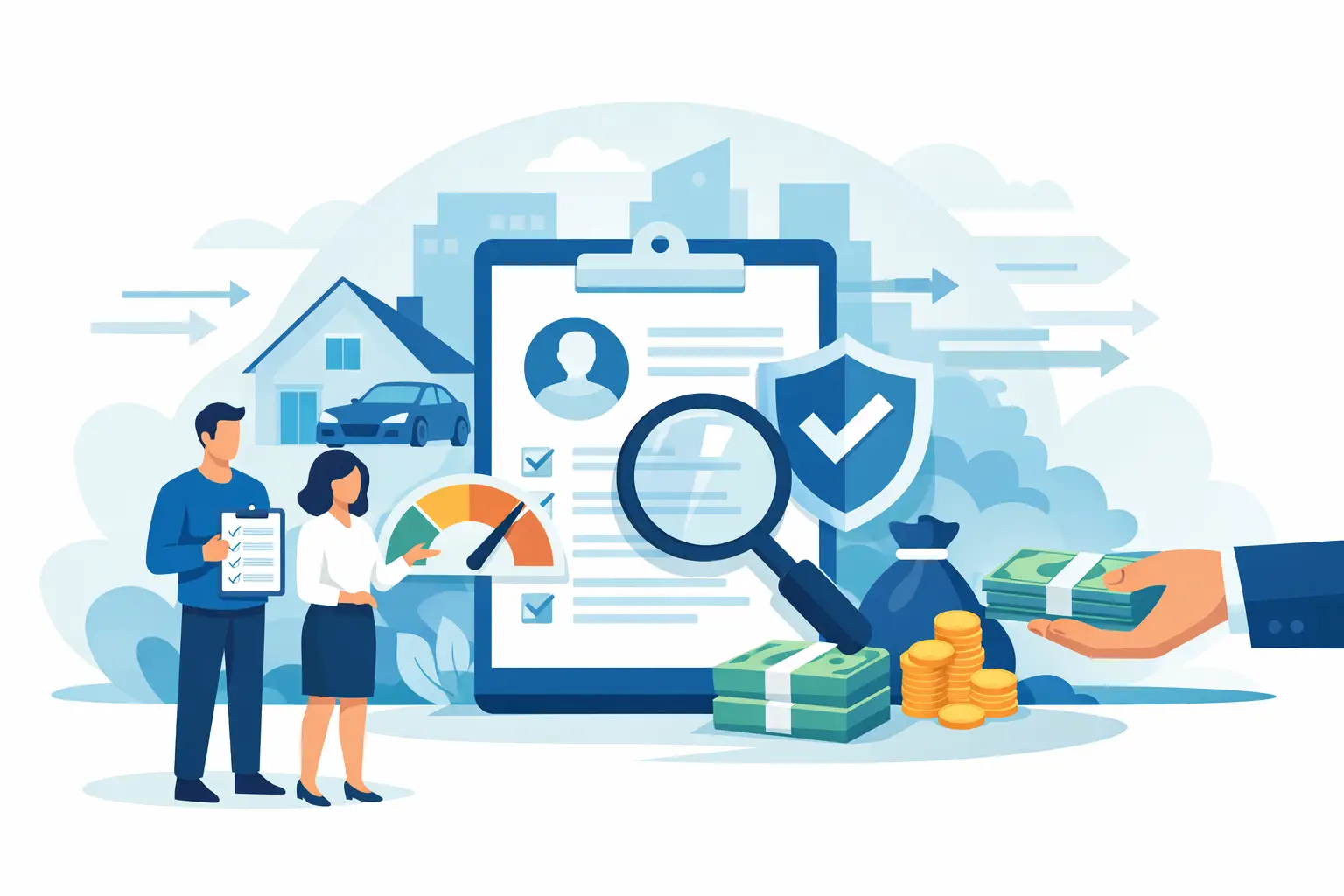
A surprise car repair, overdue utility bill, or medical copay can force a fast financial decision. Before you request funds, this borrower eligibility guide explains what lending partners may look at, what you may need to provide, and how to approach an online personal loan request with clearer expectations.
A quick online application can be convenient, but approval is never automatic. Every lender uses its own criteria, and the loan offer you receive, if any, can depend on your information, state of residence, income, credit profile, and ability to repay. Knowing the basics before you apply can help you avoid delays when time matters.
Basic Borrower Eligibility Requirements
Most online personal loan lenders require applicants to meet a few baseline conditions. You generally must be at least 18 years old, be a US resident or legal resident as required by the lender, and provide valid contact information. Some lenders or loan products may have additional age or residency rules based on state law.
You will also usually need a valid government-issued ID. This may be a driver’s license, state ID, passport, or another accepted document. Lenders use identification details to help verify that you are who you say you are and to reduce fraud.
A working phone number and active email address matter too. A lender may use them to send a decision, request documents, deliver loan disclosures, or confirm final loan terms. Check your inbox and voicemail after submitting a request. A missed verification step can slow down funding.
Income and Ability to Repay
Income is one of the biggest parts of borrower eligibility. Lenders want to see that you have a realistic way to make scheduled payments while covering your regular bills. That does not always mean you need a traditional full-time job.
Depending on the lender, qualifying income may include wages, self-employment income, retirement benefits, disability payments, Social Security income, military benefits, certain government benefits, or other recurring income. You may be asked for pay stubs, bank statements, benefit letters, tax documents, or another form of verification.
The key is consistency and accuracy. Enter the income you can reasonably document, not an estimate you hope to earn later. A higher number may seem helpful, but inaccurate information can cause a lender to decline the application or request more proof.
Lenders may also compare your income with your current financial obligations. Rent or mortgage payments, auto loans, credit cards, child support, and existing installment loans can affect whether a payment fits your budget. A smaller loan amount or longer repayment term may reduce the payment amount, but a longer term can increase the total amount repaid.
Bank Account and Funding Details
For many online installment loan options, an active checking account in your name is needed. If approved and you accept an offer, the lender may use that account to deposit funds and collect scheduled payments. Savings accounts, prepaid cards, and shared accounts may not qualify with every lender.
Make sure the routing and account numbers are correct. A simple typing mistake can delay a deposit. The account should also be open, active, and able to receive electronic transfers. If you recently changed banks, confirm the old account is not still listed on your application.
Fast funding may be available for qualified borrowers, but timing varies. Approval time, bank processing cutoffs, weekends, holidays, and additional verification can all affect when funds arrive. Same-day funding is not guaranteed.
Does Credit Score Matter?
Your credit score can matter, but it is not the only factor lenders review. Some lending partners consider applicants with less-than-perfect credit, limited credit history, or past financial setbacks. That can be useful if a bank has already said no, but it does not mean every applicant will qualify or receive the same terms.
A lender may review your credit report, payment history, current debt, recent applications, and other information. Some lenders also use alternative data or their own underwriting models. Your credit profile can influence the amount offered, repayment term, interest rate, fees, and whether collateral or a co-borrower is required, if those options are available.
If your credit needs work, focus on the details you control. Pay existing bills on time where possible, review your credit reports for errors, and avoid applying for more credit than you need. Multiple applications in a short period can be a concern with some lenders.
A Low Score Is Not the Full Story
A low score does not always mean you are out of options. Steady income, an established bank account, and a manageable debt load may support your request. On the other hand, strong credit alone may not overcome income that is too low for the requested payment. Eligibility depends on the full application, not one number.
How to Improve Your Chances Before Applying
Start by requesting only the amount you need. If a $500 expense is the problem, requesting $3,000 may make it harder to show that the payment fits your budget. Borrowing less can also reduce the total cost of the loan.
Review your application carefully before submitting it. Names, addresses, Social Security number details, income figures, and bank information should match your documents. Small mismatches can trigger verification requests.
It also helps to have your documents ready. If a lender asks for proof of income or identity, responding quickly may help keep the process moving. Do not send documents through unsecured channels or share account passwords with anyone.
Finally, be honest about your financial situation. An online loan can help cover a short-term need, but it creates a repayment obligation. If the payment would leave you unable to cover housing, food, transportation, or essential bills, consider a smaller amount or another option.
What Happens After You Submit a Request?
When you submit a request through a lending marketplace such as Yup Loans, your information may be reviewed by participating lenders or other financial service providers. The marketplace is not the lender and does not make the final lending decision. A lender may approve, decline, request additional details, or present an offer with specific terms.
Read every offer before accepting it. Look beyond the amount deposited into your account. Review the annual percentage rate, finance charges, payment schedule, number of payments, late-payment policies, and total repayment amount. The lowest monthly payment is not always the lowest-cost option.
You should also confirm whether there are fees for late payments, insufficient funds, or early payoff. Some lenders may allow early repayment without a prepayment penalty, while others have terms you should understand before you sign. Loan availability and terms vary by lender and state.
Borrower Eligibility Guide: Questions to Ask Yourself
Before you move forward, ask whether the loan solves a specific, necessary expense and whether you can repay it on every due date. Consider what would happen if your income arrives late or an unexpected bill appears next month. A loan should provide breathing room, not create a larger financial squeeze.
Also ask whether you have compared the actual terms, not just the speed of funding. Fast decisions can be valuable during an emergency, but a clear repayment plan is just as valuable once the immediate problem is over.
If you decide to request a personal loan, keep your information accurate, review any offer line by line, and borrow with a payment you can realistically manage. The right next step is the one that helps with today’s expense without putting tomorrow’s budget further behind.