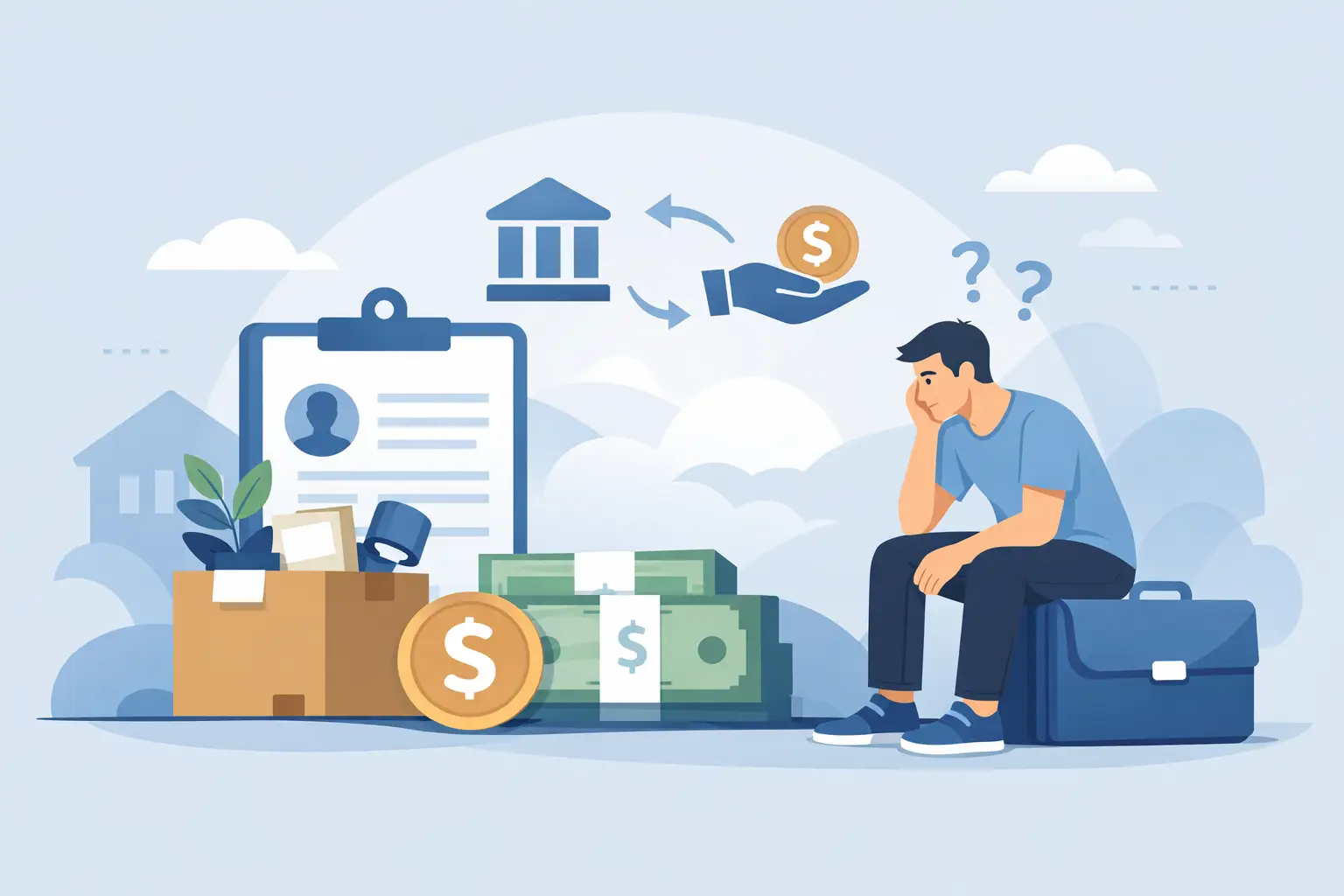
An unexpected car repair, a past-due utility bill, or a medical copay does not wait for your next job offer. So, can unemployed people get personal loans? Sometimes, yes. Being unemployed does not automatically disqualify you, but lenders generally need to see a realistic way for you to repay what you borrow.
The key difference is income. A lender may look beyond a traditional paycheck and consider other eligible income sources, your credit history, your existing debt, and the loan amount you request. If you need a small amount to cover an urgent expense, an online loan request may help you review available options without the long process often associated with a bank branch.
Can Unemployed People Get Personal Loans Without a Job?
A personal loan is not based on employment status alone. Lenders evaluate risk, and a job is one way to show repayment ability. It is not the only way.
You may have a stronger chance of qualifying if you receive regular income from unemployment benefits, Social Security, disability benefits, retirement distributions, pension payments, alimony, child support, rental income, freelance work, or other verifiable sources. Each lender has its own rules about what income it can consider and how much documentation it requires.
A lender may also review your credit score, payment history, debt-to-income ratio, checking account activity, and requested loan amount. Good credit can help, but it is not always required. Some lending partners work with borrowers who have bad credit, limited credit, or a recent financial setback. Approval and loan terms are never guaranteed.
If your income has stopped entirely and you do not have another reliable source of funds, getting approved can be more difficult. Borrowing in that situation can also create a bigger problem if there is no clear plan for the payments.
Income Sources Lenders May Accept
When you complete a loan request, be accurate about how you receive money. Do not list an income source you cannot document or expect to continue. Misstating income can lead to a denial and may create more serious issues.
Eligible income varies by lender, but common examples include unemployment compensation, government benefits, retirement income, disability payments, self-employment earnings, gig work, and regular support payments. Some lenders may count household income when you have reasonable access to it, while others may focus only on income in your own name.
Unemployment benefits can help demonstrate current income, but lenders may consider that these benefits could end. A short-term benefit period may limit the loan amount or term a lender is willing to offer. In many cases, requesting only what you need can make more sense than applying for the highest amount available.
What Else Affects Your Loan Options?
Income matters, but it is only one part of the decision. A borrower with a modest, steady benefit payment and few monthly debts may look less risky than someone with higher income but multiple overdue accounts.
Your credit report can influence whether you receive an offer and what it costs. A stronger credit profile may lead to more options or a lower annual percentage rate. If you have bad credit, you may still see offers, but rates and fees can be higher. That means the amount you receive is only part of the decision. You also need to know the total repayment amount and whether each scheduled payment fits your budget.
The requested amount matters too. A smaller personal loan for an urgent repair may be easier to manage than a larger request that stretches your available income. With small-dollar loans, even a short repayment period can create sizable payments. Check the payment schedule before accepting anything.
State laws also affect which products and terms may be available. Loan offers, rates, amounts, and repayment periods depend on the lender, your information, and where you live.
How to Request a Personal Loan While Unemployed
When money is tight, it is easy to apply everywhere at once. A better move is to prepare your information, request an amount you can explain and repay, then review any offer carefully.
Start by adding up your monthly income from all sources and subtracting essentials such as housing, food, insurance, transportation, medications, and minimum debt payments. The money left over is a more honest guide to what payment you can handle. Do not build your repayment plan around a job that has not started yet or a benefit payment that may end soon.
Next, gather basic details you may need for an online request, including identification, contact information, bank account details, and proof of income when available. A lender may ask for additional verification before final approval or funding.
With a loan connection service such as Yup Loans, you can submit one online request to be matched with potential lender options. Completing a request does not mean you are approved, and it does not require you to accept an offer. If a lender presents terms, take time to read them before electronically signing an agreement.
Read the Offer Before You Accept
Fast funding can be useful when the expense cannot wait, but speed should not replace careful review. Look at the APR, finance charge, payment amount, number of payments, due dates, and the total amount you will repay.
Pay close attention to what happens if you pay late or miss a payment. Ask whether there are origination fees, late fees, non-sufficient funds fees, or other charges that could increase your cost. If the lender offers an automatic withdrawal option, make sure you understand when payments will be taken from your bank account.
You should also know whether the loan can be paid off early and whether an early payoff changes the total cost. The loan agreement is the source of truth. Marketing language can tell you what may be available, but the written lender terms control the actual loan.
Alternatives Worth Considering First
A personal loan can be practical when you have a defined need and a workable repayment plan. It is not always the lowest-cost answer. If the expense is not immediate, you may have alternatives that reduce the amount you need to borrow.
For a utility bill, call the provider and ask about a payment arrangement or hardship program. For medical bills, ask the billing office about financial assistance or an interest-free payment plan. If you are receiving unemployment benefits, check whether local or state programs can help with food, housing, transportation, or energy costs.
A secured credit card, credit union emergency loan, help from family, or selling an unused item may also be worth considering, depending on your situation. Be cautious with any option that requires collateral you cannot afford to lose. A co-signer can improve approval odds in some cases, but that person becomes responsible for the debt if you do not pay.
Avoid Red Flags When You Need Cash Fast
Urgent money needs can attract scams. Be wary of anyone who guarantees approval before reviewing your information, asks you to pay an upfront fee to receive a loan, pressures you to act immediately, or asks for payment through gift cards, cryptocurrency, or wire transfers.
A legitimate lender should provide clear disclosures about the loan cost and repayment terms. Never share banking credentials, account passwords, or verification codes with an unsolicited caller or text message. If an offer feels confusing, expensive, or overly rushed, step back before agreeing.
Being unemployed may narrow your choices, but it does not erase them. Focus on verified income, borrow only for a specific need, and choose a payment you can manage even if your job search takes longer than expected. The right next step is the one that solves today’s problem without making next month’s bills harder to pay.