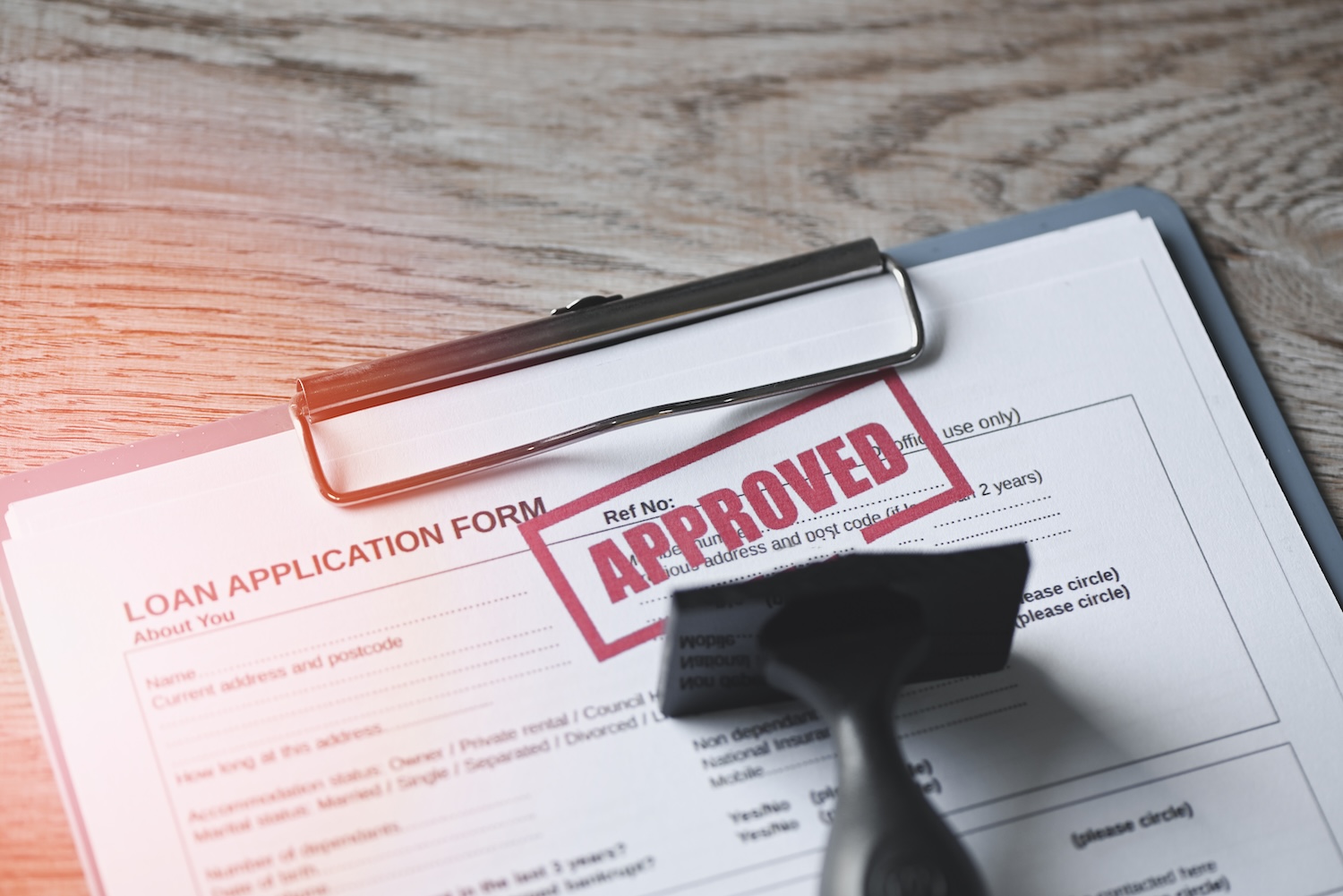
Life has a way of throwing unexpected expenses at you right when you least expect them. Your car breaks down, your washing machine stops working, or you need to cover an emergency dental bill. An online installment loan gives you a way to handle these costs without having to come up with all the money at once.
The application process is simpler than you think. You don’t need to take time off work to visit a bank or sit through long appointments. Most people can complete an online application in just a few minutes¹ and get an answer quickly. The type of installment loan you choose depends on your needs and financial situation.
How Does an Installment Loan Work?
An installment loan is a personal loan that lets you borrow a specific amount of money upfront and then pay it back in regular, fixed payments over an agreed period of time. Each payment includes part of what you borrowed plus interest. Most installment loans are unsecured, meaning you don’t need to put up collateral like your car or home.
The monthly payment stays the same throughout the life of your loan, which makes budgeting easier. You’ll know exactly how much you need to pay and when, with no surprises. The term of the loan can range from a few months to several years, depending on how much you borrow and what works best for your budget.
Say you take out a $2,000 installment loan with a 12-month repayment term. Instead of having to pay back $2,000 plus interest all at once, you’d make 12 equal monthly payments. Your lender tells you the exact amount before you agree to anything, so you can decide if it fits your budget. Once approved, the loan proceeds are typically deposited directly into your bank account.
Pros and Cons of Installment Loans
| Pros | Cons |
| Predictable payments – You know exactly how much you’ll pay each month, making it easier to plan your budget | Interest costs – You’ll pay interest charges over the life of the loan |
| Build credit – Making on-time payments can help improve your credit score over time | Fixed commitment – You’re locked into regular payments regardless of changes in your financial situation |
| Quick access to funds – Many lenders can approve and fund your loan within one business day* | Potential fees – Some lenders charge origination fees, late payment fees, or prepayment penalties |
| Flexible loan amounts – Borrow what you need, from a few hundred to several thousand dollars | Credit check required – Your credit history will be reviewed, which may affect approval and interest rates |
| Lower rates than credit cards – Installment loans often have better interest rates than carrying credit card debt | Early repayment might not save money – Some loans don’t reduce interest if you pay off early |
Before You Apply for a Personal Installment Loan: What You’ll Need
Getting your documents needed for a loan application together before you start saves time and helps things move faster. Most lenders ask for similar information, so having everything ready means you won’t need to pause halfway through to hunt for paperwork.
Personal Information
Lenders need to verify who you are and where you live. This protects both you and them from fraud.
Proof of Identity
- Driver’s license
- Passport
- State-issued ID card
These documents confirm your name, date of birth, and that you’re legally allowed to borrow.
Proof of Address
- Recent utility bills (gas, electric, water)
- Bank statements
- Lease agreement or mortgage statement
- Insurance documents
The address on these documents should match the one you listed on your application. If you’ve recently moved, make sure you have something current that shows your new address.
You’ll also need to provide your Social Security number. Lenders use this to pull your credit report and verify your identity.
Financial Information
Lenders want to see that you earn enough money to make your monthly loan payments comfortably.
Proof of Income
- Recent pay stubs (typically last 1-3 months)
- Tax returns (especially if self-employed)
- Bank statements showing regular deposits
- Employment verification letter
If you’re self-employed, you should provide additional documentation like profit and loss statements or business bank statements.
Bank Statements
Most lenders ask for the last two to three months of bank statements. These give lenders a picture of your financial habits, showing your income coming in and your regular expenses going out.
Employment Details
- Your employer’s name and contact information
- How long you’ve worked there
- Your position or job title
- Your gross monthly or annual income
Stable employment history can work in your favor during the approval process.
Credit Information
Most lenders will check your credit as part of the approval process. This is standard and nothing to worry about.
Your credit score gives lenders an idea of how you’ve handled debt in the past. A higher score might get you better interest rates, but many lenders work with borrowers across different credit ranges. If your credit isn’t perfect, don’t let that stop you from applying.
The credit check shows your payment history, how much debt you currently have, and whether you’ve had any serious issues like bankruptcies or defaults. Lenders look at the whole picture, not just one number.
How to Apply for an Installment Loan: A Step-by-Step Guide to the Application Process
1. Start Your Application
Start by requesting funds. You’ll be taken to an online form that walks you through what information is needed.
2. Choose Your Loan Amount
Think carefully about how much you actually need to borrow. It’s tempting to request more than necessary, but borrowing only what you need makes repayment easier and shows lenders you’re being responsible with credit.
Work out your expenses and figure out the exact amount that covers what you need. If you need $1,500 for a car repair, request $1,500 rather than rounding up to $2,000 for extra cushion. The smaller amount improves your chances of approval and saves you interest.
3. Complete the Application Form
You’ll need to provide personal details, financial information, and employment history. Take your time filling this out and double-check everything before submitting.
The form typically asks for:
- Your full name, date of birth, and contact information
- Current address and how long you’ve lived there
- Social Security number
- Driver’s license number
- Employment details including your employer’s name, your position, and income
- Bank account information for receiving funds and setting up payments
Accuracy matters here. Even small typos in your Social Security number or bank account details can delay your application or cause problems later. Make sure everything matches your supporting documents exactly.
4. Review Your Loan Offer
Once approved, you’ll receive details about your loan terms. This offer includes important information you need to review carefully before accepting anything.
Look at:
- The interest rate (APR)
- How long you have to repay the loan
- Your monthly payment amount
- The total amount you’ll pay back over the life of the loan
- Any fees like origination charges or late payment penalties
Don’t just focus on the monthly payment amount. A lower monthly payment might look appealing, but it could mean you’re paying for longer and spending more on interest overall.
Make sure you understand the full cost of the loan before moving forward. Terms and rates may vary depending on your creditworthiness, and the lender may offer different options based on your financial profile.
5. Submit Your Documentation
Most lenders will ask you to verify your identity and income. This step protects you from fraud and confirms you qualify for the amount you’re requesting.
Many lenders let you upload these documents directly through their website or app, so you don’t need to mail anything or visit a branch.
6. Sign Your Loan Agreement
Once you’ve received your loan offer, if you’re comfortable with the terms, you’ll electronically sign the loan agreement. This creates a legally binding contract between you and the lender.
Read through the entire agreement before signing. Yes, it might be long and detailed, but it’s important to understand what you’re committing to. Pay attention to your repayment schedule, what happens if you miss a payment, and whether there are penalties for paying off the loan early. Knowing when and how the loan is paid back helps you stay on track with your financial obligations.
If anything seems unclear or doesn’t match your expectations, contact the lender’s customer service before signing. It’s better to ask questions now than deal with surprises later.
7. Receive Your Funds
After signing, the lender will process your loan and transfer the money to your bank account. Timing varies depending on the lender and your bank, but many people receive funds within one business day*.
Direct deposit to your checking account is the fastest option. Some lenders can even deposit funds the same day if you apply early enough.
Tips for a Successful Installment Loan Application
A few smart moves before and during your application can improve your chances of getting approved quickly and securing better terms.
Check Your Credit Report First
Pull your credit report before applying so you know what lenders will see. You’re entitled to a free credit report once a year from each of the three major credit bureaus: Equifax, Experian, and TransUnion. Look for any errors or outdated information that could be dragging your score down.
Mistakes happen more often than you’d think. An old address, a payment incorrectly marked as late, or accounts that aren’t yours can all hurt your score. If you spot errors, dispute them with the credit bureau right away. Getting these fixed before you apply could make a real difference in your approval odds and interest rate.
Borrow Only What You Need
Requesting a reasonable loan amount that aligns with your income improves your approval chances. Lenders evaluate whether you can realistically afford the monthly payments based on what you earn and what you already owe.
Think about your monthly budget and how a loan payment would fit into it. Work out the exact amount you need rather than rounding up for extra cushion. If your budget is already tight, a smaller loan with lower payments might be the smarter choice, even if you qualify for more.
Be Honest on Your Application
It might be tempting to round up your income or downplay your expenses, but don’t. Lenders verify the information you provide, and inconsistencies raise red flags. Being caught in even a small lie can result in automatic denial.
If your financial situation isn’t perfect, that’s okay. Many lenders work with people in all kinds of circumstances. Honesty builds trust and helps match you with a loan that actually fits your situation.
Consider a Co-Signer If Needed
If your credit isn’t strong or your income is limited, a co-signer with good credit can improve your approval odds and potentially get you a better interest rate. A co-signer agrees to repay the loan if you can’t, which reduces the lender’s risk.
Choose a co-signer carefully. This person should have a stable income, good credit, and understand they’re taking on real financial responsibility. Keep them updated on the loan status and make your payments on time to protect their credit as well as yours.
Ready for Your Installment Loan? Start with Yup Loans
At Yup Loans, we’ve simplified the entire process. We connect you with lenders who can help, making it easier to find an installment loan that fits your needs³.
Most applicants hear back in minutes, with loan amounts from $250 to $3,000 and flexible repayment terms from 3 to 36 months. Funding is often available the same business day*.
Request funds today and see how straightforward it is to get an installment loan.