Your credit score affects more than you might realize – it influences whether you’ll be approved for a personal loan, the interest rates you’ll pay, and even your chances of renting an apartment or getting certain jobs.
A lot of people find the whole system confusing, especially when starting out or recovering from financial setbacks. Building credit doesn’t require any special tricks or insider knowledge. It comes down to knowing what affects your score and making consistent, informed choices with your money.
How to Check Your Credit Score
You can check your credit score for free through banks and credit card companies that offer free credit score access to their customers, or you can also use credit monitoring services like Credit Karma, Credit Sesame, or Experian, which provide regular updates on your score.
In the US, you’re entitled to one free credit report per year from each of the three major credit reporting agencies: Equifax, Experian, and TransUnion. You can access these reports through AnnualCreditReport.com. While your credit report doesn’t show your actual score, it shows all the information that goes into calculating it, including your payment history, credit accounts, and any negative marks.
It’s worth checking your credit regularly, not just when you’re planning to apply for a loan. Regular monitoring helps you spot errors or signs of identity theft early, and it gives you a clear picture of how your financial habits are affecting your score.
What is Considered a Good Credit Score?
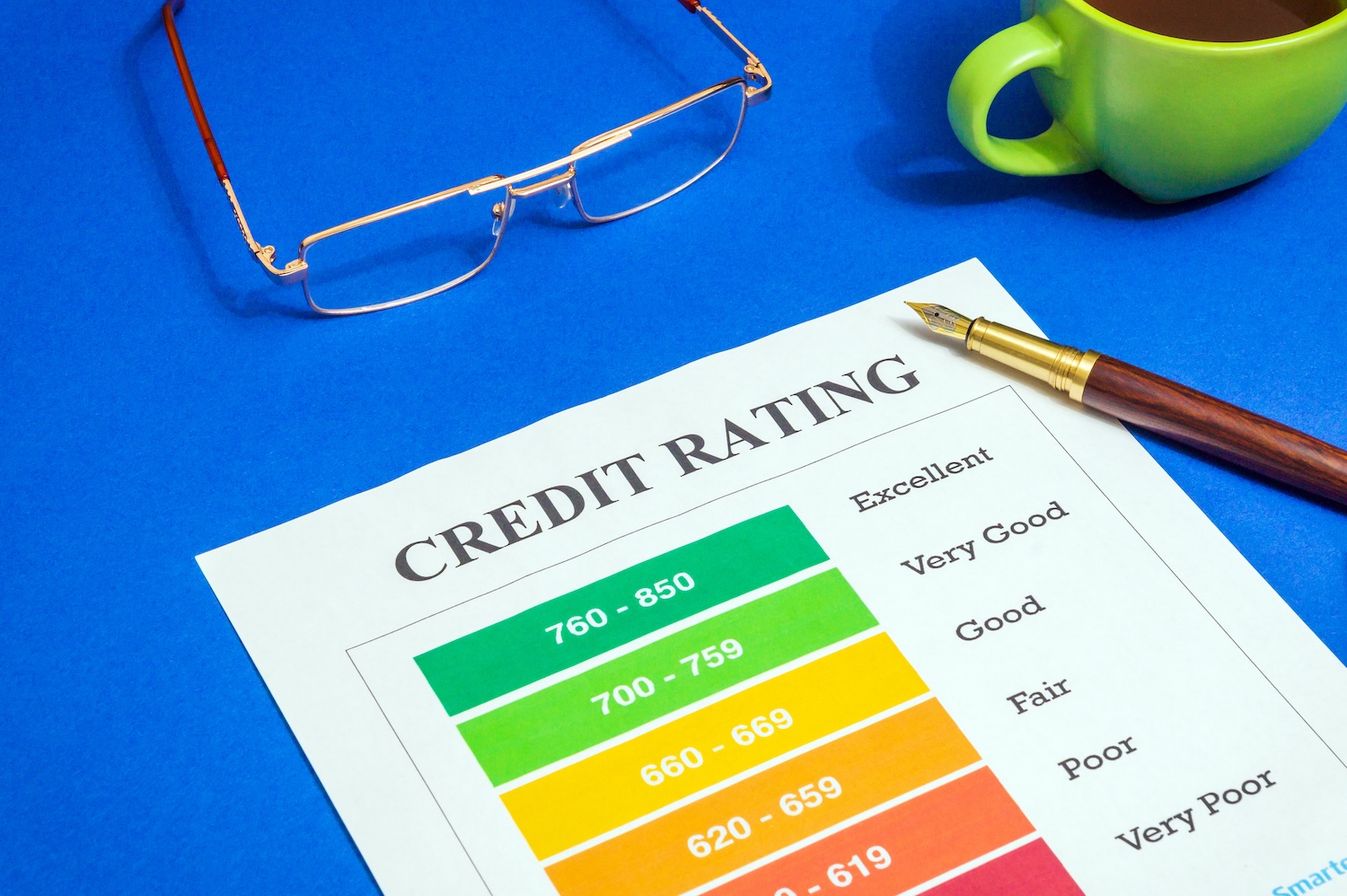
Credit scores in the US typically range from 300 to 850, with higher numbers indicating better credit. Most lenders use the FICO scoring model, though you might also see VantageScore, which uses a similar range.
Here’s how credit scores generally break down:
- Poor: 300-579
- Fair: 580-669
- Good: 670-739
- Very Good: 740-799
- Exceptional: 800-850
A score of 670 or above is generally considered good and should qualify you for most loans and credit cards. Once you reach 740 or higher, you’ll typically get access to the best interest rates and terms that lenders offer.
That said, different lenders have different standards. Some might approve applicants with lower scores, while others reserve their best products for people with exceptional credit. Your score is just one factor lenders consider alongside your income, employment history, and debt-to-income ratio.

Looking for a personal loan for bad credit?
Need cash quickly? With Yup Loans, you can apply for a personal loan in minutes¹ and get matched with lenders ready to help, even if your credit score isn’t perfect.
Request FundsWhat Factors Affect Your Credit Score?
Your credit score isn’t random. It’s calculated based on specific factors from your credit history, each carrying different weight.
Payment history (35%): This is the biggest factor. It tracks whether you pay your bills on time. Even one late payment can hurt your credit, and missed payments stay on your credit report for seven years. Consistent on-time payments are the foundation of good credit.
Credit utilization (30%): This measures how much of your available credit you’re using. If you have a credit card with a $10,000 limit and you’re carrying a $3,000 balance, your credit utilization rate is 30%. Lower is better – most experts recommend keeping it below 30%, and ideally below 10%.
Length of credit history (15%): This looks at how long you’ve been using credit. The length of your credit history matters because older accounts show a longer track record of managing credit. This is why closing old credit cards can sometimes hurt your score.
Credit mix (10%): Having different types of credit, like a credit card, line of credit, car loan, and mortgage, can help your score. Managing both revolving credit and installment loans shows you can handle various types of borrowing responsibly.
New credit (10%): When you apply for new credit, it can temporarily lower your score. Multiple applications in a short period can signal financial stress to lenders. However, credit scoring models typically treat multiple applications for the same type of loan within a short window as a single inquiry.
7 Ways to Build Your Credit Score
These are some of the best ways to build good credit over time. If you’re starting from scratch or looking to improve your credit score, focusing on these key areas will make the biggest difference.
1. Pay your bills on time, every time
Payment history is the most important factor in your credit score, so making on-time payments should be your top priority. Set up automatic payments or calendar reminders to avoid missing due dates. Even paying the minimum amount due is better than paying late.
2. Keep your credit utilization low
Try to use less than 30% of your available credit, and lower is even better. If you have a $5,000 credit limit, keep your balance below $1,500. You can lower your utilization by paying down balances or requesting a credit limit increase, though you should only do the latter if you trust yourself not to spend more.
3. Don’t close old credit cards
Even if you’re not using a card anymore, keeping it open can help your score in two ways: it maintains your length of credit history and keeps your total available credit higher, which lowers your utilization ratio. Closing old accounts can hurt your credit score, so just make sure there’s no annual fee eating into your budget.
4. Become an authorized user
If someone you trust has good credit, you could ask if they’ll add you as an authorized user on their credit card. Their positive payment history can boost your credit, even if you don’t actually use the card – but make sure the primary cardholder pays on time, because their late payments will affect your score too.
5. Get a secured credit card
If you’re building credit from scratch or rebuilding after financial problems, a secured credit card can help. You put down a deposit that becomes your credit limit, and the card issuer reports your payments to the credit bureaus. After demonstrating responsible use with your credit card account, many issuers will upgrade you to a regular credit card and return your deposit.
6. Consider a credit builder loan
These small loans are designed specifically to help build credit. The lender holds the money you borrow in an account while you make payments. Once you’ve paid it off, you get the money. It’s not traditional borrowing, but it’s an effective way to build credit and establish a positive payment history.
7. Dispute errors on your credit report
Mistakes on your credit report can drag down your score unfairly. If you spot an error, dispute it with the credit bureau. Common errors include accounts that don’t belong to you, incorrect payment statuses, or debts that should have fallen off your report.
How Long Does It Take to Build Good Credit?
Building credit from scratch typically takes three to six months before you’ll even have a score. Reaching a good score (670 or above) usually takes around 12 to 18 months of consistent and responsible credit use.
If you’re rebuilding after negative marks, the timeline will vary. Minor issues fade faster, while serious problems like bankruptcies can affect your score for years. The good news is that recent positive behavior matters more than old mistakes, so staying consistent with good habits will gradually improve your standing.
Why You Should Build Good Credit
Good credit gives you options. When you need to borrow money, whether for a car, home, or unexpected expense, a strong credit score means you’ll pay less in interest over the life of the loan – the difference between a good rate and a mediocre one can add up to thousands of dollars.
Beyond saving money, good credit makes life easier in practical ways. Landlords often check credit before approving rental applications. Some employers review credit reports as part of their hiring process, particularly for positions that involve financial responsibilities. Utility companies may waive security deposits for customers with good credit.
Your credit score also affects how quickly you can access money when you need it. Lenders are more likely to approve applications from people with good credit, and the approval process is often faster. Understanding how loan payments affect your credit score can help you maintain good standing once you’ve been approved.
Starting with no credit history at all means lenders can hesitate to approve applicants without a proven track record of managing their credit. However, you can still get a personal loan with no credit history by exploring options like credit-builder loans, secured loans, or lenders who consider alternative data like rent and utility payments.
Building good credit isn’t just about qualifying for loans. It’s about having financial flexibility and access to better terms when opportunities or emergencies arise.
Need a personal loan? At Yup Loans, we work with borrowers across different credit profiles. If you’re building credit or already have a strong score, we can help you find loan options that fit your situation³. Request funds today to see what rates you qualify for.