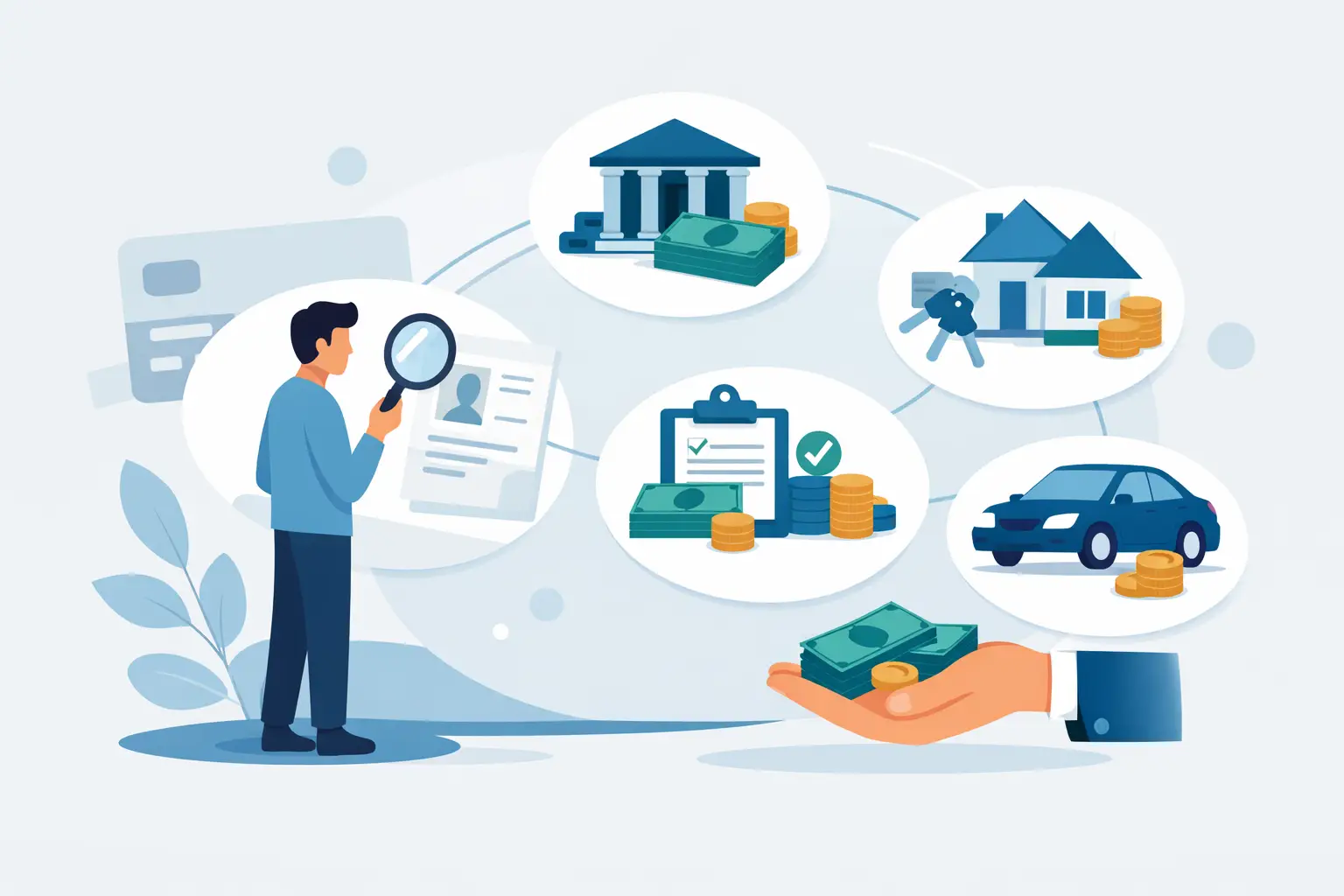
A thin credit file can make a routine expense feel harder than it should. When your credit report has limited history, lenders have less information to review – but that does not automatically mean you cannot qualify. Loan options for thin credit files may be available when you need help covering a repair, medical bill, overdue expense, or another urgent cost.
The key is knowing what lenders may look at beyond a traditional credit score, which loan types fit your situation, and how to avoid accepting a payment that creates a bigger problem next month.
What Is a Thin Credit File?
A thin credit file means your credit report contains little or no borrowing history. You may have a thin file if you are young, new to the United States, have never used a credit card, or simply have avoided loans in the past. It can also happen when your accounts are old, inactive, or not widely reported to the credit bureaus.
A thin file is different from bad credit. Bad credit usually reflects a history of late payments, collections, high balances, or other negative information. With thin credit, the issue is not necessarily that you have handled credit poorly. It is that lenders cannot see enough history to predict how you may repay a new loan.
That distinction matters. Some lenders use more than a standard credit score when reviewing a request. They may consider your income, employment, bank account activity, current obligations, and ability to make scheduled payments.
Loan Options for Thin Credit Files to Consider
The right option depends on how much you need, how quickly you need it, and what you can realistically repay. Fast funding can help in a real emergency, but speed should not replace reading the terms.
Online personal loan marketplaces
An online loan marketplace lets you submit one request that may be shared with participating lenders or lending partners. Instead of applying individually to several places, you can see whether a lender in the network has an offer that fits your information.
For borrowers with limited credit history, this can be a practical starting point because lender requirements vary. One lender may place more weight on income and banking history, while another may have stricter credit requirements. Approval is never guaranteed, and available loan amounts, APRs, fees, and terms depend on the lender and your qualifications.
Yup Loans helps consumers request small personal loan options online. Depending on lender availability, state rules, and your qualifications, loan requests may range from $250 to $3,000 with repayment terms generally ranging from 3 to 36 months.
Credit-builder loans
A credit-builder loan is designed to help establish payment history. Rather than receiving the loan proceeds upfront, the funds are typically held in an account while you make payments. Once the loan is paid off, you may receive the money, minus any applicable fees or interest.
This can be useful if you do not need emergency cash immediately and want to build a stronger file for future borrowing. It is usually not the best choice when your car needs repair today or a bill is due this week.
Secured loans
A secured loan requires collateral, such as money in a savings account or another qualifying asset. Because the collateral reduces the lender’s risk, approval may be easier than with an unsecured loan. The trade-off is serious: if you do not repay as agreed, you could lose the asset used to secure the loan.
For a small, urgent expense, an unsecured personal loan may feel more straightforward if available. Still, compare both choices if you have savings and can safely use them as collateral without putting essential funds at risk.
Credit union or community bank loans
Some credit unions and local banks offer small-dollar loans or programs for members with limited credit. They may consider your relationship with the institution, direct deposits, employment, or savings behavior. Terms can be competitive, but the application process may take longer than an online request, and membership requirements may apply.
If you have time to wait, this is worth checking. If your expense cannot wait, compare the full cost and timing of any available online offer before deciding.
A co-signed loan
A co-signer with established credit can improve your chances of qualifying or help you receive better terms. But the co-signer is equally responsible for repayment. If you miss payments, their credit and finances can be affected too.
Only use a co-signer if both of you understand the obligation and you have a clear plan to make every payment on time. A family favor should not turn into a financial strain.
What Lenders May Review Besides Your Credit Score
A limited credit history does not erase the rest of your financial picture. Lenders may use different underwriting methods, but many want evidence that you have the income and stability to repay what you borrow.
They may review your source of income, how often you are paid, your monthly housing and debt payments, your checking account history, and whether you have an active bank account in your name. Some lenders may also verify your identity, age, state of residence, and contact information.
Keep your application accurate. Inflating income or leaving out obligations can lead to a declined request, verification delays, or a loan payment you cannot afford. The fastest application is still one that gives lenders a clear, truthful picture.
How to Request a Loan With Limited Credit History
Start by deciding the smallest amount that solves the immediate problem. Borrowing extra may seem helpful in the moment, but it raises your payment and total cost. If a $500 repair gets you back on the road, a larger loan may not be worth the added obligation.
Then estimate your payment before you accept an offer. Look at the repayment schedule, not just the amount deposited into your bank account. Consider whether the payment still works after rent, groceries, transportation, utilities, insurance, and other essentials are covered.
When you request a loan online, be ready with basic details such as your address, income information, employer or benefit source, bank account details, and a valid way to verify your identity. Many online applications take only a few minutes, but a lender may request additional information before making a final decision.
If you receive an offer, read the loan agreement carefully. Pay attention to the APR, finance charges, origination fees if any, total repayment amount, payment dates, late-payment rules, and whether there is a penalty for paying early. Do not accept an offer simply because funds may arrive quickly.
How to Protect Your Budget While Building Credit
A small loan can be a short-term solution, but repayment is where your next financial opportunity is built. Paying on time may help establish a stronger borrowing record when the lender reports payments to credit bureaus. Not all lenders report to all bureaus, so ask if that matters to your goal.
Set up reminders a few days before every due date. If automatic payments are available, make sure your account has enough money to cover them. A returned payment can lead to fees and may hurt the credit progress you are trying to make.
Avoid submitting repeated applications without a plan. Each lender has its own review process, and too many requests in a short period can make your situation harder to manage. Compare the terms you receive, choose only what you can afford, and stop once you have found a workable option.
When a Loan May Not Be the Best Move
Even with loan options available, borrowing is not always the right answer. If your income is uncertain, your budget is already short every month, or the payment would force you to miss rent or utilities, pause before accepting funds. A loan can solve an immediate gap, but it should not become a recurring way to cover regular bills.
For one-time, urgent expenses, a small loan with clear terms may offer breathing room. For an ongoing shortfall, it may be better to reduce the expense, negotiate a payment arrangement with the biller, or seek local assistance first.
A thin credit file is a starting point, not a permanent label. Request only the amount you need, review every term before you agree, and make a repayment plan you can keep. One well-managed payment at a time can put more financial options within reach.