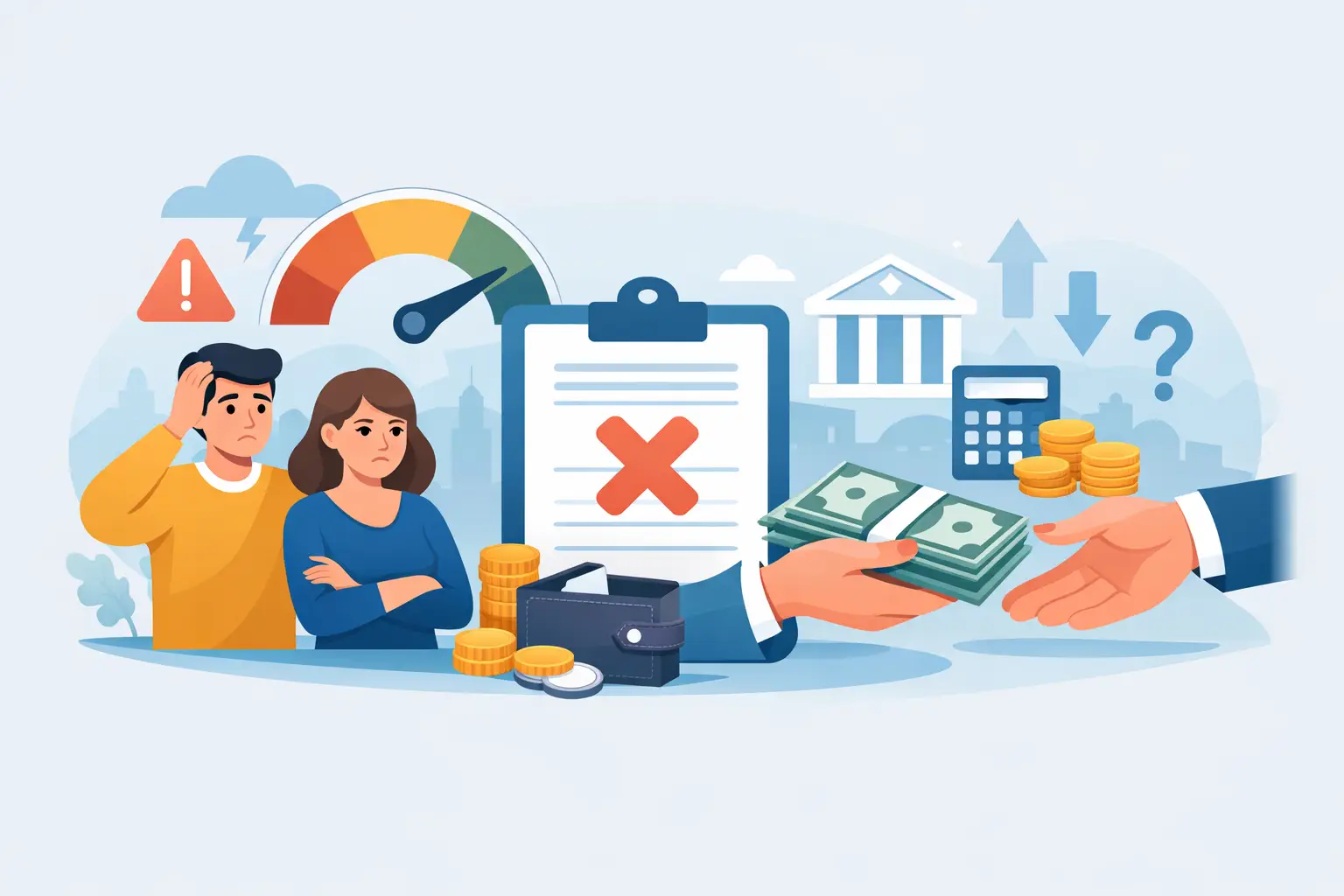
A surprise car repair, a late utility notice, or a medical bill can turn into a same-day problem fast. That is why many people start looking for loans for bad credit when savings are low and time is tighter than usual. If your credit score is less than ideal, you still have options, but the right move is knowing what lenders look at, what these loans really cost, and how to avoid making a tough situation worse.
How loans for bad credit work
Loans for bad credit are usually small personal loans designed for borrowers who may not qualify with a bank or credit union. In many cases, these are unsecured loans, which means you do not have to put up a car title or other collateral. The lender reviews your application, checks key details like income and banking information, and decides whether to make an offer.
This process is often much faster online than it is with traditional lenders. Instead of gathering paperwork for days and waiting through a long review, many borrowers complete a short form and receive a decision quickly. If approved, funds may be sent as soon as the same day or the next business day, depending on the lender and your bank.
That speed is the main reason these loans appeal to people dealing with urgent expenses. The trade-off is cost. Bad-credit loans typically come with higher rates and fees than loans offered to borrowers with stronger credit.
What lenders check besides your credit score
A low credit score matters, but it is not the only thing lenders use to make a decision. Many lenders look at whether you have steady income, an active checking account, and enough room in your budget to handle repayment. Some also review your recent banking activity or your history with short-term borrowing.
That means two people with similar credit scores may get very different results. One person may be approved because they have stable paychecks and lower monthly obligations. Another may be declined because their income is inconsistent or their account shows frequent overdrafts.
This is why broad credit acceptance does not mean guaranteed approval. It usually means lenders are willing to consider more than just a traditional credit score. If you have been turned down elsewhere, that can still leave the door open.
When a bad-credit loan makes sense
These loans are usually best for short-term, necessary expenses when waiting is not realistic. A car repair that gets you to work, a rent gap that prevents late fees, or an emergency bill with real consequences can justify paying more for fast access to cash.
What does not make as much sense is using a high-cost loan for optional spending, repeat lifestyle expenses, or to cover a budget gap that happens every month. If the problem is ongoing, borrowing can become a cycle instead of a fix.
It helps to ask one hard question before you apply: will this loan solve the issue, or just delay a bigger one? If repayment will force you to miss another major bill in two weeks, the offer may not be helping as much as it seems.
The real cost of loans for bad credit
The biggest mistake borrowers make is focusing only on the monthly payment. A lower payment can look easier, but if the term is longer, you may pay much more overall. On the other hand, a very short repayment window can strain your budget even if the total cost is lower.
That is why the annual percentage rate, fees, and repayment schedule all matter. Some lenders charge origination fees. Others may charge late fees or returned payment fees. If the lender reports to credit bureaus, on-time payments could help your credit over time, but missed payments can hurt it further.
You do not need a perfect offer. You do need a clear one. If the lender cannot explain the full repayment amount, payment dates, and fees in simple terms, that is a problem.
How to improve your chances of approval
If you need money quickly, you may feel pressure to apply everywhere at once. That can backfire. A better move is to make sure your application is accurate and complete before submitting it.
Start with the basics. Use your legal name, current address, active phone number, and correct employment or income details. Small errors can slow down verification or trigger a decline. If you are paid regularly, show that clearly. Lenders want to see repayment ability more than a perfect financial history.
It also helps to borrow only what you need. Asking for a smaller amount can improve approval odds because the risk to the lender is lower. If you need $500 to cover a repair, applying for $1,500 just because it is available may work against you.
Timing matters too. Applying when your bank account is stable and your most recent deposit has posted can strengthen your profile with some lenders. It will not erase bad credit, but it can make your application easier to approve.
Where borrowers usually look
Bad-credit borrowers often compare online lenders, lender-matching platforms, credit unions, and installment loan providers. Each option comes with a different balance of speed, flexibility, and cost.
Banks tend to have stricter requirements, so they are not always the fastest path for a borrower with weak credit. Credit unions may offer lower rates, but membership rules and underwriting can take longer. Online platforms and marketplaces are popular because they reduce friction. Instead of searching one lender at a time, borrowers can submit one request and see whether a lending partner may have an offer.
That can be especially helpful when time matters. A platform like Yup Loans is built around that speed-first process, connecting borrowers with participating lenders through a short online request. Still, speed should not replace review. Fast funding is useful only if the repayment terms are manageable.
Red flags to watch for
When you need money now, bad offers can look better than they are. That is why it pays to slow down long enough to spot warning signs.
Be careful with any lender that is vague about fees, pushes you to act before reading terms, or asks for upfront payment to secure approval. Legitimate lenders disclose the loan amount, APR, payment schedule, and total repayment cost before you commit. If that information is hard to find, move on.
Also watch for offers that solve one problem by creating another. A loan with payments you clearly cannot afford is not a second chance. It is a bigger bill waiting to happen.
What happens after approval
Once approved, review the agreement carefully before accepting. Check the deposit timeline, the due dates, whether payments are automatic, and what happens if you are late. Many borrowers focus on getting the money and spend very little time on the repayment part, but that is where the loan either helps or hurts.
If the funds are being used for an urgent bill, make a plan for them before the deposit hits your account. Use the money for the reason you borrowed it. That sounds obvious, but when cash is tight, it is easy for emergency funds to get spread across other expenses.
Then look one step ahead. If repayment will land close to rent, utilities, or a major recurring bill, build a buffer where you can. Even a small adjustment can reduce the risk of a missed payment.
A better way to use a bad-credit loan
The smartest use of a bad-credit loan is targeted and temporary. Borrow what you need, not the maximum. Choose a payment you can actually keep up with. Read the terms, know the total cost, and have a plan to close the gap without borrowing again right away.
Bad credit does not mean no options. It means the details matter more. If you move quickly but still read carefully, loans for bad credit can be a practical tool when the expense is urgent and the repayment plan makes sense. The goal is not just getting approved today. It is getting through today without making next month harder.