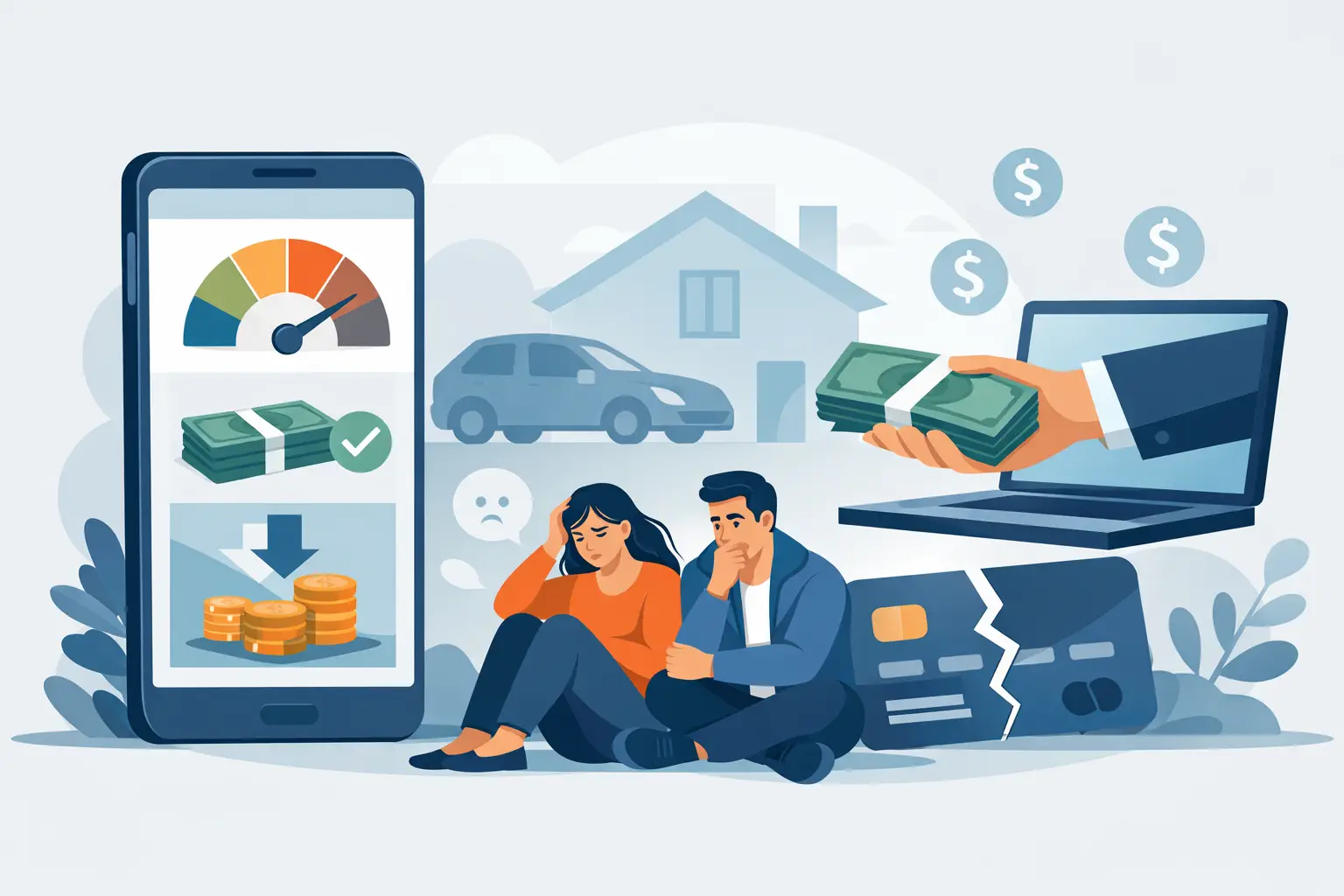
A car repair bill rarely waits for your credit score to improve. If you need money now, online personal loans for bad credit can be one of the fastest ways to request funds without walking into a bank, filling out stacks of paperwork, or waiting days for an answer.
That speed is the reason many borrowers start online. The process is simple, the form is short, and some lenders can review your request quickly. But fast access matters only if you understand what you are agreeing to. Bad-credit borrowing can solve a short-term cash gap, yet it can also cost more than borrowers expect if they focus only on approval and ignore repayment.
How online personal loans for bad credit work
An online personal loan is usually an unsecured loan. That means you typically do not pledge a car title or other property as collateral. Instead, lenders look at your application details and decide whether to make an offer based on risk.
For borrowers with low credit scores, the approval decision often goes beyond a simple score cutoff. A lender or lending platform may review your income, employment status, banking history, debt level, and ability to repay. Some also look at whether you have a steady pattern of deposits or recent financial stability, even if your credit history includes missed payments or collections.
In most cases, you fill out an online form with basic personal, employment, and banking information. If your request matches a participating lender’s criteria, you may receive a loan offer to review. If approved and you accept the terms, funds may be sent to your bank account as soon as the same day or by the next business day, depending on the lender and your bank.
That convenience is why this option appeals to borrowers facing urgent expenses like rent, utilities, medical bills, emergency travel, or home repairs. It removes a lot of friction. It does not remove the need to read the fine print.
What lenders usually look at besides credit
Bad credit does not always mean automatic rejection. It does mean the lender is trying to price in more risk. That is why two people with similar credit scores can get very different offers.
Income is one of the biggest factors. A lender wants to see that you have enough regular money coming in to handle the payment. The source may be a job, self-employment, benefits, or another verifiable stream, depending on the lender’s rules.
Your debt obligations matter too. If most of your paycheck already goes to other loans, credit cards, or recurring bills, approval can be harder even if your gross income looks decent on paper. Banking activity also matters more than many borrowers realize. Frequent overdrafts, irregular deposits, or recent account issues can affect the decision.
Loan size plays a role as well. Requesting a smaller amount may improve your chances compared with asking for more than you realistically need. If your goal is to cover a $600 repair, applying for $2,500 may work against you.
When this type of loan makes sense
There are situations where speed matters more than getting the lowest possible rate. If you are behind on an essential bill, need to fix a car so you can get to work, or have an urgent medical cost, a fast personal loan can help bridge the gap.
The key is making sure the problem is temporary, not ongoing. A loan can help with a one-time emergency. It is a weaker solution if you are short every month and using borrowed money to cover regular living expenses. In that case, the payment can add pressure instead of relief.
This is where borrower honesty matters. Before you request funds, ask a blunt question: will this loan solve the issue, or just delay it for a few weeks? If repayment depends on perfect timing, overtime hours, or money you are not sure will arrive, the risk is higher.
The trade-off: easier access usually means higher cost
The biggest mistake borrowers make is treating approval as the finish line. It is not. With bad-credit lending, easier qualification often comes with higher APRs, fees, or shorter repayment terms.
That does not make every offer bad. It does mean you should compare the total repayment amount, not just the monthly payment. A lower payment may look easier today but cost more over time if the term is longer or fees are higher.
Read the loan agreement carefully. Look for the APR, finance charge, payment schedule, late fees, and whether the lender charges origination or processing fees. Also check whether the payment date fits your actual pay cycle. A loan that auto-debits your account two days before payday can create overdrafts and trigger more costs.
For small-dollar loans, even a short term can feel tight. If repayment is due too quickly, the loan can strain your budget right when you are trying to recover. Fast funding helps only if the repayment plan is realistic.
How to improve your chances before you apply
If you are searching for online personal loans for bad credit, a few practical steps can help. First, know your actual monthly income and required expenses. Not a rough guess. A real number. That tells you what payment range may be manageable.
Second, request only what you need. Smaller loan amounts can be easier to repay and may present less risk to the lender. Third, make sure your information is accurate and consistent across the application. Mismatched details about income, employer, or banking can cause delays or denials.
It also helps to have your basics ready before you start, including identification, income details, employment information, and active bank account information. Online applications move faster when you are not stopping to search for dates, numbers, or documents.
If you are using a loan connection service such as Yup Loans, understand the role it plays. A marketplace can help match your request with participating lenders, which may save time compared with applying one by one. But the final terms still come from the lender, not the platform, so review every offer on its own merits.
Red flags to watch for
Speed should never mean blind trust. If a lender or site guarantees approval before reviewing your information, be careful. The same goes for requests to pay an upfront fee before receiving funds. Legitimate lenders generally disclose costs in the loan terms, not through a separate advance payment demand.
Watch for vague repayment language, missing disclosures, or pressure to borrow more than you asked for. A reputable lender should clearly show what you are borrowing, what you will repay, and when payments are due.
It is also smart to be cautious with any offer that feels designed to keep you borrowing repeatedly. If the structure makes it hard to get ahead, the short-term fix can turn into an expensive cycle.
What to compare before accepting an offer
Once you receive an offer, slow down for a minute. Compare the APR, the total cost, the payment amount, and the repayment timeline. These four numbers matter more than marketing language.
Also consider the funding timeline. If one lender offers slightly better terms but cannot fund in time to solve your immediate problem, that may not be the right fit. On the other hand, the fastest option is not always the best if the cost is significantly higher. This is one of those situations where it depends on your deadline, your budget, and how much flexibility you have.
Check whether there is a prepayment penalty. Some borrowers want the option to pay the loan off early if their cash flow improves. If there is no penalty, that can reduce total interest.
Finally, think beyond the approval itself. Will the payment still be manageable if gas goes up, hours get cut, or another bill hits next month? If the answer is no, passing on the offer may be the safer move.
A fast loan should solve a problem, not create a bigger one
Online borrowing has made personal loans easier to access, especially for people who have been turned down elsewhere. That accessibility matters. Real emergencies happen, and not everyone has perfect credit or time to wait.
Still, the right loan is not just the one that says yes. It is the one you can repay without falling further behind. If you need fast cash, move quickly, but do not rush the part that matters most – reading the terms and checking whether the payment truly fits your life.
If an offer helps you cover the urgent expense and keeps repayment within reach, it can be a practical next step. If it does not, the smartest move may be to keep looking until the numbers make sense.